Understanding the fundamentals of your furnace is crucial for maintaining a comfortable home environment, especially during the colder months. A furnace is not just a simple appliance; it is a complex system designed to provide warmth and comfort by converting fuel into heat. Whether you rely on gas, oil, or electricity, knowing how your furnace operates can help you identify potential issues before they escalate into costly repairs or even necessitate a furnace replacement near me.At its core, a furnace consists of several key components that work together seamlessly. The main parts include the heat exchanger, blower motor, thermostat, and fuel supply system.
The heat exchanger is responsible for transferring heat to the air that circulates throughout your home. The blower motor then pushes this heated air through the ductwork, ensuring that every room receives adequate warmth. Meanwhile, the thermostat acts as the control center, regulating the temperature based on your preferences.Understanding how these components interact can provide valuable insights into why breakdowns occur. For instance, if the blower motor fails, it can lead to inadequate heating and increased energy bills.
Similarly, a malfunctioning thermostat may cause your furnace to run continuously or not at all. By familiarizing yourself with these basic functions, you can better appreciate the importance of regular maintenance and timely repairs.In addition to knowing how your furnace works, it's essential to recognize the signs of wear and tear. Unusual noises, inconsistent heating, or frequent cycling can indicate underlying problems that require immediate attention. By being proactive and addressing these issues early on, you can extend the lifespan of your furnace and avoid the inconvenience of unexpected breakdowns.
Common Causes of Furnace Breakdowns
Understanding the common causes of furnace breakdowns is essential for homeowners who want to maintain a reliable heating system.Several factors can contribute to a furnace's failure, and being aware of these can help you take proactive measures to prevent costly repairs.
1.Mechanical Failures
- Worn-out Components: Over time, various parts of your furnace, such as the blower motor, heat exchanger, and ignition system, can wear down. Regular inspections can help identify these issues before they lead to a complete breakdown.
- Electrical Issues: Faulty wiring or electrical components can cause your furnace to malfunction. This includes problems with the thermostat or circuit board, which may prevent the furnace from receiving the necessary signals to operate.
2.Lack of Maintenance
- Neglecting Routine Service: Failing to schedule annual maintenance checks can lead to a buildup of dirt and debris in your furnace. This not only reduces efficiency but also increases the risk of breakdowns.
- Dirty Filters: Clogged air filters restrict airflow, causing the furnace to work harder than necessary.
This strain can lead to overheating and eventual failure. It’s recommended to check and replace filters every 1-3 months during the heating season.
3.Environmental Factors
- Extreme Weather Conditions: Sudden temperature drops can put additional stress on your heating system. If your furnace is not adequately prepared for these changes, it may struggle to keep up, leading to potential failures.
- Poor Ventilation: Inadequate ventilation can cause your furnace to overheat or operate inefficiently. Ensure that vents are clear and that there is sufficient airflow around the unit.
Regular maintenance, timely repairs, and awareness of environmental impacts are key strategies for ensuring your heating system remains reliable throughout the winter months.
Signs Your Furnace Needs Attention
Being aware of the warning signs that indicate your furnace may need attention is crucial for maintaining a comfortable and safe home environment. Ignoring these signs can lead to more significant issues, including complete breakdowns that may require a furnace replacement. Here are some key indicators to watch for:- Unusual Noises: If your furnace starts making strange sounds such as banging, clanking, or squealing, it could be a sign of mechanical issues. These noises often indicate that components are loose or worn out.
- Inconsistent Heating: If certain rooms in your home are significantly colder than others, your furnace may be struggling to distribute heat evenly.
This inconsistency can point to ductwork problems or a failing furnace.
- Increased Energy Bills: A sudden spike in your energy bills without a corresponding increase in usage can indicate that your furnace is working harder than it should. This inefficiency often suggests that the system is aging or malfunctioning.
- Frequent Cycling: If your furnace turns on and off more frequently than usual, it may be short cycling. This can be caused by a variety of issues, including thermostat problems or an oversized furnace.
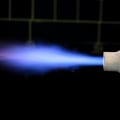
- Yellow Burner Flame: A healthy furnace should have a blue flame. If you notice a yellow or flickering flame, it could indicate incomplete combustion, which poses safety risks and suggests the need for immediate inspection.
- Foul Odors: Any strange smells coming from your furnace, especially a gas odor, should be taken seriously.
This could indicate a gas leak or other hazardous conditions requiring immediate professional attention.
Investing in a new unit can save you money on repairs and energy costs in the long run.
Preventive Maintenance Tips for Your Furnace
Maintaining your furnace is crucial for ensuring its longevity and efficiency. Regular preventive maintenance can help you avoid unexpected breakdowns and costly repairs. Here are some practical tips to keep your furnace running smoothly:- Change the Air Filter Regularly: One of the simplest yet most effective maintenance tasks is to change your air filter every 1-3 months. A clogged filter restricts airflow, making your furnace work harder and potentially leading to breakdowns.
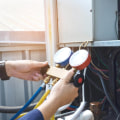
- Schedule Annual Professional Inspections: Having a qualified HVAC technician inspect your furnace annually can catch potential issues before they escalate.
During this inspection, the technician will clean components, check for gas leaks, and ensure that all parts are functioning correctly.
- Keep the Area Around the Furnace Clear: Ensure that there is no clutter around your furnace. This not only improves airflow but also reduces fire hazards. Keep at least two feet of clearance around the unit.
- Test Your Thermostat: Regularly check that your thermostat is functioning properly. If it’s not accurately reading temperatures or if it’s unresponsive, it may need recalibration or replacement.
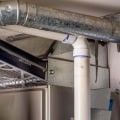
- Inspect Ductwork for Leaks: Leaky ducts can lead to significant energy loss and reduced efficiency.
Inspect your ductwork for any visible gaps or holes and seal them with duct tape or mastic sealant.
- Check the Condensate Drain: If you have a high-efficiency furnace, it likely has a condensate drain that needs to be checked regularly. Ensure it’s clear of obstructions to prevent water damage and maintain efficiency.
- Change air filter: every 1-3 months
- Inspect and clean blower assembly: annually
- Check thermostat settings: annually
- Inspect flue pipe for blockages: annually
- Test safety controls: annually
- Clean burners: annually
- Check electrical connections: annually
The Importance of Professional Inspections
When it comes to maintaining your furnace, the significance of professional inspections cannot be overstated. Regular inspections by qualified HVAC technicians are essential for identifying potential issues before they escalate into costly repairs or complete breakdowns.These experts possess the knowledge and tools necessary to thoroughly assess your heating system, ensuring it operates efficiently and safely.One of the primary benefits of scheduling a professional furnace inspection is the early detection of problems. During an inspection, technicians will examine critical components such as:
- Burners: Ensuring they are clean and functioning properly to maintain optimal combustion.
- Heat Exchanger: Checking for cracks or corrosion that could lead to dangerous gas leaks.
- Thermostat: Verifying its accuracy and responsiveness to maintain desired temperatures.
- Filters: Recommending replacements or cleaning to improve airflow and efficiency.
- Ductwork: Inspecting for leaks or blockages that can hinder performance.
Technicians can also provide recommendations on how to optimize your system's performance, such as adjusting settings or suggesting upgrades that align with your heating needs.If you're searching for HVAC services near me, consider reaching out to local professionals who specialize in furnace inspections. Many companies offer comprehensive maintenance plans that include regular check-ups, ensuring your system remains in top condition year-round.In conclusion, investing in regular professional furnace inspections is a smart decision for any homeowner. Not only do these inspections help prevent breakdowns and extend the life of your heating system, but they also contribute to a safer and more energy-efficient home environment. Don't wait until it's too late; schedule your inspection today!
When Is It Time for a Furnace Replacement?
Determining when to replace your furnace can be a daunting task for many homeowners.However, understanding the signs that indicate a need for a new furnace can save you both time and money in the long run. Here are some key indicators that it might be time to consider furnace replacement near me.
- Age of the Furnace: Most furnaces have a lifespan of about 15 to 20 years. If your unit is approaching or has surpassed this age, it may be more cost-effective to replace it rather than continue investing in repairs.
- Frequent Repairs: If you find yourself calling for repairs multiple times a year, it’s a clear sign that your furnace is struggling. The costs of these repairs can quickly add up, making replacement a more economical choice.
- Increased Energy Bills: A sudden spike in your energy bills can indicate that your furnace is working harder than it should.
An inefficient furnace not only raises your utility costs but also suggests that it may be time for an upgrade.
- Uneven Heating: If certain rooms in your home are consistently colder or hotter than others, this could signal that your furnace is failing to distribute heat evenly. This issue often points to an aging system that may need replacement.
- Strange Noises: Unusual sounds such as banging, rattling, or squeaking can indicate mechanical issues within the furnace. While some noises can be repaired, persistent sounds may suggest that the unit is nearing the end of its life.
If you're experiencing any of these issues, searching for furnace replacement near me could lead you to solutions that enhance comfort and efficiency in your home.
Choosing the Right Furnace Replacement Options
When it comes to furnace replacement near me, understanding the various options available is crucial for making an informed decision. The market today offers a wide range of furnaces, each with unique features and benefits. Here’s a closer look at some of the best furnaces for 2023 and what factors you should consider when selecting a replacement.Types of Furnaces
- Gas Furnaces: These are among the most popular choices due to their efficiency and cost-effectiveness. Modern gas furnaces can achieve high AFUE (Annual Fuel Utilization Efficiency) ratings, making them a great option for homeowners looking to save on energy bills.
- Electric Furnaces: While generally less efficient than gas models, electric furnaces can be a good choice in areas where natural gas is not available.
They are often easier to install and maintain.
- Oil Furnaces: Although less common today, oil furnaces are still used in some regions. They can provide powerful heating but may require more maintenance and have fluctuating fuel costs.
- Hybrid Systems: These systems combine both gas and electric heating, allowing homeowners to switch between the two based on efficiency and cost. This flexibility can lead to significant savings over time.
Energy Efficiency
One of the most important factors to consider when choosing a furnace is its energy efficiency. Look for models with high AFUE ratings, ideally above 90%.Energy-efficient furnaces not only reduce your carbon footprint but also lower your utility bills. Additionally, many energy-efficient models qualify for rebates or tax credits, making them an even more attractive option.
Furnace Buying Guide
When selecting a furnace replacement, keep the following factors in mind:- Size: Ensure that the furnace is appropriately sized for your home. An oversized unit can lead to short cycling, while an undersized unit may struggle to heat your space effectively.
- Installation Costs: Factor in installation costs when budgeting for your new furnace. Professional installation is crucial for optimal performance and safety.
- Brand Reputation: Research different brands and read reviews to find reliable manufacturers known for quality and customer service.
- Warranty: A good warranty can provide peace of mind.
Look for models that offer comprehensive coverage on parts and labor.
FAQs About Furnace Maintenance and Replacement
When it comes to furnace maintenance and replacement, homeowners often have numerous questions. Here are some of the most frequently asked questions that can help you better understand your heating system and make informed decisions.What are the signs that my furnace needs to be replaced?
Several indicators suggest it might be time for a furnace replacement near me. Look for:- Age: If your furnace is over 15 years old, it may be less efficient and more prone to breakdowns.
- Increased energy bills: A sudden spike in your heating costs can indicate that your furnace is working harder than it should.
- Frequent repairs: If you find yourself calling for repairs multiple times a year, it may be more cost-effective to replace the unit.
- Uneven heating: Cold spots in your home can signal that your furnace is struggling to distribute heat evenly.
- Noisy operation: Unusual sounds like banging or squeaking can indicate mechanical issues that may warrant replacement.
How often should I have my furnace serviced?
Regular maintenance is crucial for the longevity of your furnace. It is recommended to schedule a professional inspection and tune-up at least once a year, ideally before the heating season begins.This proactive approach can help identify potential issues early and ensure your system operates efficiently.
Can I perform maintenance on my furnace myself?
While some basic maintenance tasks can be done by homeowners, such as changing air filters and cleaning vents, it’s best to leave complex inspections and repairs to professionals. Attempting to fix intricate components without proper knowledge can lead to further damage or safety hazards.What should I do if my furnace breaks down?
If your furnace stops working, first check the thermostat settings and ensure that the power supply is intact. If everything seems normal but the unit still won’t operate, contact a qualified HVAC technician for assistance. Avoid trying to fix it yourself, as this could void warranties or cause additional issues.Understanding these common questions about furnace maintenance and replacement can empower you as a homeowner.By staying informed, you can make better decisions regarding your heating system and ensure a comfortable living environment throughout the colder months.
Conclusion: Keeping Your Furnace Running Smoothly
In conclusion, ensuring that your furnace operates efficiently and reliably is crucial for maintaining a comfortable home environment, especially during the colder months. As we have discussed, common furnace breakdowns can often be attributed to a variety of factors, including lack of maintenance, age, and sudden increases in demand. By taking proactive steps, homeowners can significantly reduce the likelihood of unexpected failures.Regular maintenance is one of the most effective ways to keep your heating system in top shape. Scheduling annual inspections with a qualified HVAC technician can help identify potential issues before they escalate into costly repairs.During these inspections, professionals can clean critical components, check for wear and tear, and ensure that your furnace is operating at peak efficiency.Additionally, being aware of the signs that indicate your furnace may need attention is essential. Unusual noises, inconsistent heating, or an increase in energy bills can all signal that something is amiss. Addressing these issues promptly can prevent more severe problems down the line.Furthermore, if you find yourself frequently searching for furnace replacement near me, it may be time to consider upgrading your system. Newer models are often more energy-efficient and come equipped with advanced technology that can enhance performance and reliability.Ultimately, investing time and resources into maintaining your furnace not only extends its lifespan but also ensures that your home remains a safe and comfortable haven during the winter months.
Remember, when in doubt, consult with a professional to assess your heating system's needs. Taking these preventive measures will help you avoid the inconvenience and expense of unexpected breakdowns. Remember, when in doubt, consult with a professional to assess your heating system's needs. Taking these preventive measures will help you avoid the inconvenience and expense of unexpected breakdowns.