Furnace failures are a common concern for homeowners, especially during the colder months when reliable heating is essential. As temperatures drop, the last thing anyone wants is to discover that their furnace is malfunctioning. Understanding the various types of furnace problems can help you identify issues early and seek furnace replacement near me when necessary. From minor glitches to major breakdowns, these failures can significantly impact your comfort and safety.One of the most frustrating aspects of furnace issues is their unpredictability.
Many homeowners may not realize that certain signs indicate a looming problem until it’s too late. Common furnace issues include strange noises, inconsistent heating, and frequent cycling on and off. These symptoms can stem from a variety of causes, such as a dirty filter, malfunctioning thermostat, or even more serious mechanical failures. By being aware of these warning signs, you can take proactive steps to maintain your system and avoid costly repairs.Moreover, the implications of a failing furnace extend beyond mere discomfort.
A malfunctioning heating system can lead to increased energy bills, as your furnace works harder to maintain the desired temperature. In some cases, it may even pose safety risks, such as carbon monoxide leaks or fire hazards. Therefore, understanding the common furnace problems not only helps in maintaining efficiency but also ensures the safety of your home and family.In this comprehensive guide, we will delve deeper into the most prevalent furnace failures, their causes, and effective solutions. Whether you are facing minor issues or considering a complete furnace replacement, having a solid grasp of these topics will empower you to make informed decisions about your heating system.
Common Signs of Furnace Failure
Recognizing the signs of furnace failure is crucial for homeowners to maintain a comfortable living environment and avoid costly repairs.Ignoring these indicators can lead to a complete breakdown, leaving you in the cold during winter months. Here are some common symptoms that suggest your furnace may be on the verge of failure:
- Unusual Noises: If your furnace starts making strange sounds such as banging, clanking, or squealing, it’s a clear sign that something is wrong. These noises can indicate loose parts, a malfunctioning blower motor, or even issues with the heat exchanger.
- Inconsistent Heating: A well-functioning furnace should provide even heating throughout your home. If you notice cold spots in certain rooms or fluctuating temperatures, it may be due to a failing furnace.
This inconsistency can stem from issues like clogged ducts or a malfunctioning thermostat.
- Increased Energy Bills: If your energy bills have spiked unexpectedly, it could be a sign that your furnace is working harder than it should. A decrease in efficiency often indicates that the system is struggling due to age or mechanical issues.
- Frequent Cycling: If your furnace turns on and off more frequently than usual, this short cycling can lead to increased wear and tear on the system. It may be caused by an oversized furnace, a faulty thermostat, or other underlying problems.
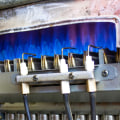
- Yellow Burner Flame: A healthy gas furnace should have a blue flame. If you notice a yellow or flickering flame, it could indicate incomplete combustion and the presence of carbon monoxide, which is dangerous and requires immediate attention.
- Foul Odors: Unpleasant smells coming from your furnace can signal various issues.
A burning smell might indicate overheating components, while a rotten egg odor could suggest a gas leak, which is an emergency situation.
Top Causes of Furnace Malfunctions
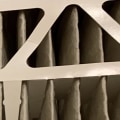
Understanding the top causes of furnace malfunctions is essential for homeowners who want to maintain a comfortable and safe living environment. By identifying these issues early, you can prevent costly repairs and ensure your heating system operates efficiently.One of the most common culprits behind furnace failures is a dirty air filter.When filters become clogged with dust, dirt, and debris, they restrict airflow, causing the furnace to work harder than necessary. This not only reduces efficiency but can also lead to overheating and potential system shutdowns. Homeowners should check and replace or clean their filters regularly, ideally every one to three months, depending on usage.
Faulty thermostats
are another frequent source of problems. A malfunctioning thermostat can lead to inconsistent temperatures throughout your home.
If your furnace is running continuously or not turning on at all, it may be time to inspect the thermostat settings or consider replacing it. Ensure that the thermostat is properly calibrated and located away from heat sources or drafts that could affect its readings.Electrical issues can also contribute significantly to furnace breakdowns. Problems such as tripped circuit breakers, blown fuses, or faulty wiring can prevent your furnace from receiving the power it needs to operate. Regular inspections by a qualified technician can help identify and rectify these electrical concerns before they escalate into major failures.Another common issue is a malfunctioning flame sensormalfunctioning flame sensor.
This component detects whether a flame is present in the furnace. If it becomes dirty or fails, the furnace may shut down as a safety precaution. Cleaning the flame sensor should be part of routine maintenance to ensure reliable operation.Finally, ductwork problems , such as leaks or blockages, can severely impact your furnace's performance. If you notice uneven heating in your home or increased energy bills, it may be time to have your ducts inspected and sealed by a professional.By being aware of these common causes of furnace failure, homeowners can take proactive steps to maintain their systems effectively.
Regular maintenance checks and timely repairs can extend the lifespan of your furnace and keep your home warm during the cold months.
The Importance of Regular Maintenance
Regular maintenance of your furnace is crucial for ensuring its longevity and efficiency. Just like any other mechanical system, a furnace requires periodic checks and servicing to operate at its best. Neglecting maintenance can lead to unexpected breakdowns, costly repairs, and even safety hazards. Here are some essential furnace maintenance tips that every homeowner should consider:- Change or Clean Filters Regularly: One of the simplest yet most effective ways to maintain your furnace is by regularly changing or cleaning the air filters.
Clogged filters restrict airflow, causing the furnace to work harder and potentially leading to overheating. Aim to check your filters monthly and replace them every 1-3 months, depending on usage.
- Inspect the Ductwork: Ensure that your ductwork is clean and free from obstructions. Dust and debris can accumulate in ducts, reducing efficiency and air quality. Consider scheduling a professional duct cleaning every few years.
- Check the Thermostat: A malfunctioning thermostat can lead to improper heating.
Test your thermostat regularly to ensure it’s functioning correctly. If you notice inconsistencies in temperature, it may be time for a replacement.
- Schedule Annual Professional Inspections: Having a qualified HVAC technician inspect your furnace annually is vital. They can identify potential issues before they become major problems, ensuring that your system runs smoothly throughout the heating season.
- Clean the Blower Fan: Dust can accumulate on the blower fan, affecting its performance. Regularly cleaning this component helps maintain optimal airflow and efficiency.
A well-maintained furnace operates more efficiently, which can lead to lower energy bills. Additionally, routine checks can enhance indoor air quality by reducing dust and allergens circulating in your home.In summary, taking proactive steps in maintaining your furnace not only prolongs its lifespan but also ensures a safe and comfortable living environment. By following these tips and prioritizing regular maintenance, you can avoid the stress of unexpected failures and enjoy peace of mind knowing your heating system is in good condition.
When to Consider Furnace Replacement
Deciding whether to replace your furnace can be a daunting task for many homeowners. However, recognizing the signs that indicate a need for furnace replacement is crucial for maintaining a comfortable and safe home environment.Here are some key factors to consider when evaluating if it’s time to invest in a new furnace.
Age of the Furnace
The age of your furnace is one of the most significant indicators of whether it needs to be replaced. Most furnaces have a lifespan of about 15 to 20 years. If your furnace is approaching or has exceeded this age, it may be time to consider a replacement. Older models are often less efficient and may not meet current energy standards, leading to higher utility bills.Frequent Repairs
If you find yourself calling for repairs more frequently, it could be a sign that your furnace is on its last legs.A good rule of thumb is the 50% rule: if the cost of repairs exceeds 50% of the cost of a new furnace, it’s time to replace it. Frequent breakdowns not only disrupt your comfort but can also add up significantly in repair costs.
Increased Energy Bills
Another clear sign that your furnace may need replacing is a noticeable increase in your energy bills. As furnaces age, they become less efficient at heating your home, which means they have to work harder and consume more energy. If you notice a spike in your heating costs without any changes in usage, it might be time to look into furnace replacement near me.Poor Air Quality
A malfunctioning furnace can lead to poor indoor air quality.If you notice an increase in dust, allergens, or other pollutants in your home, it could be due to an inefficient or failing furnace. Replacing an old unit with a new, energy-efficient model can significantly improve air quality and overall comfort.
Unusual Noises
If your furnace starts making strange noises such as banging, clanking, or squealing, it’s often a sign of mechanical failure. While some noises can be fixed with repairs, persistent unusual sounds may indicate that the unit is nearing the end of its life.Consideration of Efficiency Ratings
When contemplating furnace replacement, it's essential to consider the efficiency ratings of new models. Modern furnaces come with higher Annual Fuel Utilization Efficiency (AFUE) ratings compared to older units.Investing in a high-efficiency model can lead to significant savings on energy bills over time.In conclusion, evaluating these factors can help you make an informed decision about whether it's time for a furnace replacement. By addressing these signs early on, you can avoid unexpected breakdowns and ensure that your home remains warm and comfortable during the colder months.
Choosing the Right Furnace Replacement Service
When it comes to furnace replacement near me, selecting the right service provider is crucial for ensuring a smooth installation process and optimal performance of your new heating system. Here are some essential tips to help you find a reliable HVAC contractor.1.Research Local Contractors
- Start by searching online for local HVAC contractors. Use search terms like "furnace replacement near me" or "best furnace installation services" to generate a list of potential candidates.
- Check their websites for information about their services, experience, and any specializations they may have.
- Look for contractors who are licensed and insured, as this indicates they meet industry standards and can protect you from liability in case of accidents.
2.Read Customer Reviews
- Customer reviews can provide valuable insights into the quality of service offered by a contractor.
Websites like Yelp, Google Reviews, and Angie's List can be excellent resources.
- Pay attention to both positive and negative reviews to get a balanced view of the contractor's strengths and weaknesses.
- Look for patterns in the feedback; if multiple customers mention similar issues, it may be a red flag.
3.Ask for Recommendations
- Word-of-mouth referrals from friends, family, or neighbors can be incredibly helpful. Ask them about their experiences with local HVAC contractors.
- If someone you trust had a positive experience with a particular service, it’s likely that you will too.
4.Evaluate Qualifications and Experience
- Inquire about the contractor's qualifications, including certifications from recognized organizations such as NATE (North American Technician Excellence).
- Experience matters; choose a contractor who has been in business for several years and has a proven track record of successful installations.
5.Get Multiple Quotes
- Don’t settle for the first quote you receive. Contact several contractors to get estimates on your furnace replacement project.
- This will not only give you an idea of the average cost but also allow you to compare services offered by different contractors.
6.Ask About Warranties and Maintenance Plans
- A reputable contractor should offer warranties on both the equipment and the installation work. This protects your investment in case of future issues.
- Inquire about maintenance plans that can help prolong the life of your new furnace and ensure it operates efficiently over time.
FAQs About Furnace Failures and Replacements
When it comes to furnace failures and replacements, homeowners often have numerous questions.Understanding these common queries can help you make informed decisions about your heating system. Below are some frequently asked questions regarding furnace issues and the replacement process.
What are the most common signs that my furnace needs to be replaced?
Several indicators suggest it might be time for a furnace replacement. Look for the following signs:- Age of the Furnace: If your furnace is over 15-20 years old, it may be nearing the end of its lifespan.
- Increased Energy Bills: A sudden spike in your heating costs can indicate inefficiency, often due to an aging unit.
- Frequent Repairs: If you find yourself calling for repairs multiple times a year, it may be more cost-effective to replace the unit.
- Uneven Heating: Inconsistent temperatures throughout your home can signal that your furnace is struggling to operate effectively.
How do I know if my furnace is failing?
Furnace failures can manifest in various ways. Here are some common symptoms:- No Heat: If your furnace is running but not producing heat, it could be a sign of a malfunctioning component.
- Strange Noises: Unusual sounds like banging, rattling, or squeaking can indicate mechanical issues.
- Yellow Burner Flame: A healthy furnace should have a blue flame.
A yellow or flickering flame may suggest incomplete combustion and requires immediate attention.
What should I consider when looking for "furnace replacement near me"?
When searching for local furnace replacement services, consider the following:- Reputation: Look for reviews and testimonials from previous customers to gauge the reliability of the service provider.
- Experience: Choose a company with extensive experience in furnace installations and repairs.
- Warranty Options: Inquire about warranties on both the unit and installation services to protect your investment.
Conclusion: Ensuring Your Home's Heating System Stays Reliable
In conclusion, understanding the common failures of your furnace is crucial for maintaining a reliable heating system in your home. By being aware of potential issues such as a malfunctioning thermostat, clogged filters, and dirty flame sensors, you can take proactive measures to prevent costly repairs or even a complete furnace replacement near me.Regular maintenance is key to ensuring your furnace operates efficiently. Simple tasks like changing filters, cleaning ducts, and keeping the area around your furnace clear of debris can significantly enhance its performance.Additionally, scheduling annual inspections with a qualified HVAC technician can help identify problems before they escalate into major failures.When you notice signs of trouble—such as unusual noises, inconsistent heating, or frequent cycling—it's essential to address these issues promptly. Ignoring them can lead to more severe complications that may require extensive repairs or a full replacement. If you find yourself in need of a new unit, searching for furnace replacement near me can connect you with local professionals who can guide you through the selection and installation process.Moreover, understanding the lifespan of your furnace is vital. Most furnaces last between 15 to 30 years, depending on usage and maintenance.
If your system is approaching this age and showing signs of wear, it may be time to consider an upgrade. Newer models are often more energy-efficient and can save you money on utility bills in the long run.Ultimately, staying informed about your heating system's needs and addressing issues as they arise will ensure that your home remains warm and comfortable throughout the colder months. By prioritizing maintenance and being proactive about repairs or replacements, you can enjoy peace of mind knowing that your heating system is reliable and efficient.