Your furnace is more than just a piece of equipment; it is the heart of your home’s heating system, playing a vital role in ensuring comfort during the cold months. A well-functioning furnace not only keeps your living space warm but also contributes significantly to your home’s overall energy efficiency. Understanding the importance of your furnace is crucial, especially when considering the long-term implications of its performance on your energy bills and indoor air quality.As temperatures drop, the demand for reliable heating increases, making it essential to have a furnace that operates efficiently. An outdated or malfunctioning furnace can lead to inconsistent heating, resulting in cold spots throughout your home and forcing you to crank up the thermostat.
This not only affects your comfort but can also lead to skyrocketing energy costs. Therefore, knowing when to seek furnace replacement near me becomes imperative for homeowners who want to maintain a cozy environment without breaking the bank.Moreover, modern furnaces are designed with advanced technology that enhances energy efficiency and reduces environmental impact. By upgrading to a newer model, you can benefit from improved heating capabilities and lower utility bills. This is particularly important as energy prices continue to fluctuate.
Investing in a new furnace can be seen as a proactive measure that not only enhances comfort but also aligns with sustainable living practices.In summary, recognizing the significance of your furnace is the first step toward ensuring a comfortable and efficient home. As you navigate through the complexities of maintaining or replacing your heating system, keep in mind that timely decisions can lead to substantial savings and improved quality of life.
Signs That Indicate It's Time for a Furnace Replacement
Recognizing the right time to replace your furnace can save you from unexpected breakdowns and costly repairs. Here are some critical signs that indicate it may be time for a furnace replacement.- Age of the Furnace: One of the most significant indicators is the age of your furnace. Most furnaces have a lifespan of about 15 to 20 years.
If your unit is approaching or has surpassed this age, it’s wise to consider a replacement. Older models are often less efficient and may not meet current energy standards.
- Frequent Repairs: If you find yourself calling for repairs multiple times a year, it’s a clear sign that your furnace is struggling. Frequent breakdowns not only disrupt your comfort but can also add up in repair costs, making replacement a more economical choice in the long run.
- Rising Energy Bills: Have you noticed a steady increase in your energy bills? An aging or malfunctioning furnace often works harder to maintain the desired temperature, leading to higher energy consumption. If your bills are rising without any changes in usage, it may be time to evaluate your furnace's efficiency.
- Uneven Heating: If certain rooms in your home are consistently colder than others, this could indicate that your furnace is failing to distribute heat evenly.
This issue can stem from ductwork problems or an inefficient furnace, both of which may warrant a replacement.
- Strange Noises: Unusual sounds such as banging, rattling, or squeaking can signal serious issues within your furnace. While some noises can be fixed with minor repairs, persistent strange sounds often indicate that the unit is nearing the end of its life.
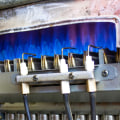
- Yellow Burner Flame: A healthy gas furnace should have a blue flame. If you notice a yellow or flickering flame, it could indicate incomplete combustion and potential safety hazards like carbon monoxide leaks. This situation requires immediate attention and may necessitate a replacement.
Evaluating Repair Costs vs.
Replacement CostsWhen faced with the decision of whether to repair or replace your furnace, understanding the financial implications is crucial. Homeowners often find themselves weighing the cost of repairs against the cost of a new furnace. This analysis can significantly influence your decision-making process.First, let’s break down the typical costs associated with furnace repairs. Minor repairs, such as replacing a filter or fixing a thermostat, can range from $100 to $300.
However, more significant issues, like replacing a heat exchanger or fixing a blower motor, can escalate to $1,000 or more. If you find yourself spending more than 50% of the cost of a new furnace on repairs within a year, it may be time to consider replacement.On the other hand, the cost of a new furnace varies widely based on factors such as brand, efficiency rating, and installation complexity. Generally, homeowners can expect to pay between $2,500 and $7,500 for a new unit, including installation. While this may seem like a hefty upfront investment, newer models are designed to be more energy-efficient, which can lead to substantial savings on your monthly energy bills.To make an informed decision, consider the following:
- Age of Your Furnace: If your furnace is over 15 years old and requires frequent repairs, replacement is often more cost-effective.
- Energy Efficiency: Newer furnaces typically have higher efficiency ratings (AFUE), which means they convert more fuel into heat.
This efficiency can lower your energy bills significantly.
- Repair Frequency: If you’re calling for repairs multiple times a year, it’s worth calculating how much you’ve spent versus the cost of a new unit.
- Warranty Considerations: New furnaces often come with warranties that cover parts and labor for several years, providing peace of mind and potential savings on future repairs.
The Lifespan of Furnaces: When Age Matters
Understanding the lifespan of furnaces is crucial for homeowners who want to maintain a comfortable living environment while managing costs effectively. Typically, a furnace can last anywhere from 15 to 30 years, depending on various factors such as the type of furnace, maintenance practices, and usage patterns.How Long Do Furnaces Last?
- Gas Furnaces: These are among the most common types and generally have a lifespan of 15 to 20 years. Regular maintenance can help extend their life.
- Electric Furnaces: Often lasting longer than gas models, electric furnaces can function efficiently for 20 to 30 years with proper care.
- Oil Furnaces: These typically have a lifespan of about 15 to 25 years but may require more frequent maintenance due to the nature of oil combustion.
An aging furnace may struggle to heat your home evenly, leading to cold spots and increased energy bills. Here are some common signs that indicate your furnace may be reaching the end of its useful life:
- Increased Energy Bills: If you notice a steady rise in your heating costs without any changes in usage, it could be a sign that your furnace is losing efficiency.
- Frequent Repairs: If you find yourself calling for repairs more often than once or twice a year, it may be time to consider a replacement.
- Noisy Operation: Unusual sounds such as banging, rattling, or squeaking can indicate that internal components are wearing out.
- Inconsistent Heating: If some rooms are significantly colder than others, it may suggest that your furnace is struggling to distribute heat effectively.
Energy Efficiency: The Benefits of Upgrading Your Furnace
Upgrading to a new, energy-efficient furnace can be one of the most impactful decisions a homeowner makes, not only for comfort but also for financial savings.Modern furnaces are designed with advanced technology that significantly enhances their efficiency compared to older models. This section explores the numerous benefits of investing in a new furnace and how it can lead to substantial energy savings over time.
Understanding Energy Efficiency Ratings
When considering a new furnace, it's essential to pay attention to its energy efficiency rating, often indicated by the Annual Fuel Utilization Efficiency (AFUE) percentage. Newer models typically boast an AFUE rating of 90% or higher, meaning they convert 90% of the fuel they consume into heat for your home. In contrast, older furnaces may have ratings as low as 60%, resulting in significant energy waste.
Benefits of Energy-Efficient Furnaces
- Lower Energy Bills: One of the most immediate benefits of upgrading to an energy-efficient furnace is the reduction in monthly energy bills.
Homeowners can expect to see savings of 20% to 50% on their heating costs, depending on the age and efficiency of their current system.
- Improved Comfort: New furnaces provide more consistent heating throughout your home. They are equipped with advanced features such as variable-speed blowers that adjust airflow based on your heating needs, ensuring that every room reaches the desired temperature without hot or cold spots.
- Environmental Impact: By using less energy, energy-efficient furnaces contribute to a reduction in greenhouse gas emissions. This not only helps combat climate change but also promotes a healthier environment for future generations.
- Increased Home Value: Investing in a new furnace can enhance your home's market value. Potential buyers are often attracted to homes with modern, efficient heating systems, making it a wise investment if you plan to sell in the future.
Long-Term Savings
While the initial cost of purchasing and installing a new furnace may seem daunting, it's crucial to consider the long-term savings.
Many homeowners find that the return on investment (ROI) from reduced energy bills and fewer repairs quickly offsets the upfront costs. Additionally, many utility companies offer rebates and incentives for upgrading to energy-efficient models, further easing the financial burden.In conclusion, upgrading to an energy-efficient furnace is not just about immediate comfort; it’s a strategic decision that can lead to significant savings and environmental benefits over time. If you're searching for furnace replacement near me, consider how a new model can transform your home’s heating efficiency and overall comfort.
Common Repairs vs. Replacement: What You Need to Know
When considering whether to repair or replace your furnace, it’s essential to understand the common repairs that can be made and when these repairs are a more practical option.Many homeowners may find themselves facing issues that can be resolved without the need for a complete replacement.
Common Furnace Repairs
Here are some of the most frequent repairs that furnaces may require:- Thermostat Issues: A malfunctioning thermostat can lead to inconsistent heating. Often, simply recalibrating or replacing the thermostat can resolve the issue.
- Dirty Filters: Clogged air filters restrict airflow, causing your furnace to work harder and less efficiently. Regularly replacing or cleaning filters can prevent this problem.
- Ignition Problems: If your furnace won’t ignite, it could be due to a faulty ignition system. Repairing or replacing the igniter is often a straightforward fix.
- Blower Motor Issues: A malfunctioning blower motor can lead to inadequate heating.
Repairing or replacing the motor can restore proper airflow.
- Leaking Ducts: Leaks in your ductwork can cause significant heat loss. Sealing these leaks can improve efficiency and comfort.
When to Opt for Repairs
Deciding whether to repair your furnace depends on several factors:- Age of the Furnace: If your furnace is relatively new (less than 10 years old) and has only required minor repairs, it may be more cost-effective to repair rather than replace.
- Cost of Repairs: If the total cost of repairs is less than 20% of the price of a new furnace, repairing is usually the better option. For example, if a repair costs $500 and a new furnace costs $2,500, it makes sense to repair.
- Type of Repair Needed: Minor repairs such as replacing filters or fixing a thermostat are generally worth doing. However, if you’re facing major issues like a cracked heat exchanger, replacement might be necessary.
Always consult with an HVAC professional to assess your specific situation and make an informed decision about whether to repair or replace your furnace.
The Role of Regular Maintenance in Extending Furnace Life
Regular maintenance is crucial for ensuring the longevity and efficiency of your furnace. Just like any other major appliance in your home, your furnace requires consistent care to operate at its best. Neglecting this aspect can lead to a host of problems, including unexpected breakdowns and costly repairs.Why Regular Maintenance Matters
- Prevention of Major Issues: Routine inspections can help identify potential problems before they escalate. A small issue, if left unchecked, can turn into a significant malfunction that may require a complete furnace replacement.
- Improved Efficiency: A well-maintained furnace operates more efficiently, which can lead to lower energy bills.
Over time, dirt and debris can accumulate in the system, causing it to work harder than necessary. Regular cleaning and tune-ups can help maintain optimal performance.
- Extended Lifespan: Most furnaces have a lifespan of 10-15 years. However, with proper maintenance, you can extend this lifespan significantly. Regular check-ups ensure that all components are functioning correctly and that the system is not overworked.
- Safety Assurance: Furnaces that are not regularly maintained can pose safety risks, including carbon monoxide leaks.
Annual inspections by a qualified HVAC technician can help ensure that your system is safe to operate.
Essential Furnace Maintenance Tips
- Schedule Annual Inspections: Have a professional HVAC technician inspect your furnace at least once a year. This should include checking the heat exchanger, burners, and ignition system.
- Change Filters Regularly: Replace or clean your furnace filters every 1-3 months, depending on usage. Clogged filters restrict airflow and reduce efficiency.
- Keep Vents Clear: Ensure that all air vents are unobstructed by furniture or other items. This allows for proper airflow throughout your home.
- Test Safety Features: Regularly check safety features such as carbon monoxide detectors and ensure they are functioning correctly.
By following these tips and prioritizing HVAC maintenance, you can enjoy a warm and comfortable home while avoiding the stress of unexpected repairs or replacements.
Consulting with HVAC Professionals: When to Seek Help
When it comes to maintaining your furnace, knowing when to consult with an HVAC professional can save you time, money, and stress. While some homeowners may feel confident in their ability to troubleshoot minor issues, there are specific situations where expert advice is essential.Signs You Should Call an HVAC Technician
- Unusual Noises: If your furnace starts making strange sounds such as banging, clanking, or squealing, it’s a clear indication that something is wrong. These noises can signal mechanical issues that require professional attention.
- Inconsistent Heating: If certain rooms in your home are significantly colder than others or if the temperature fluctuates wildly, it may be time to call in an expert. An HVAC technician can diagnose issues related to ductwork or the furnace itself.
- Frequent Cycling: A furnace that turns on and off frequently may be struggling with its thermostat or other components.
This not only affects comfort but can also lead to increased energy bills.
- Increased Energy Bills: If you notice a sudden spike in your heating costs without a corresponding change in usage, it could indicate that your furnace is working harder than it should be. An HVAC professional can assess efficiency and recommend solutions.
- Age of the Furnace: If your furnace is over 15 years old and showing signs of wear, consulting with a technician for an assessment is wise. They can help determine whether repairs are feasible or if a replacement is more cost-effective.
The Benefits of Professional Assessments
Consulting with an HVAC professional not only provides peace of mind but also ensures that any potential issues are addressed before they escalate into costly repairs. Technicians have the training and experience to identify problems that may not be immediately apparent to the average homeowner.Additionally, they can offer valuable advice on energy-efficient models if replacement becomes necessary.
This guidance can help you choose a furnace that meets your home’s needs while also being budget-friendly in terms of operation costs.
When to Schedule an Appointment
If you’re experiencing any of the signs mentioned above or simply want a routine check-up for your heating system, don’t hesitate to reach out to an HVAC professional. Regular maintenance checks can prolong the life of your furnace and ensure it operates efficiently throughout the colder months.In summary, knowing when to seek help from an HVAC technician is crucial for maintaining a safe and comfortable home environment. Don’t wait until a minor issue becomes a major problem; proactive consultations can save you both time and money in the long run.
Frequently Asked Questions About Furnace Replacement
When considering furnace replacement, homeowners often have numerous questions. Here are some of the most frequently asked questions regarding furnace replacement, along with clear and concise answers to help you make informed decisions.1.How do I know if I need a new furnace?
Several signs indicate it may be time for a furnace replacement:- Age: If your furnace is over 15 years old, it may be nearing the end of its lifespan.
- Frequent Repairs: If you find yourself calling for repairs multiple times a year, it might be more cost-effective to replace it.
- Rising Energy Bills: An increase in your heating costs can signal that your furnace is losing efficiency.
- Inconsistent Heating: If some rooms are too hot while others are too cold, your furnace may not be functioning properly.
2.What is the average cost of a furnace replacement?
The cost of replacing a furnace can vary widely based on several factors, including:- The type and size of the furnace.
- Your location and the complexity of the installation.
- The efficiency rating of the new unit.
3.How long does it take to replace a furnace?
The installation process typically takes between 4 to 8 hours, depending on the complexity of the job and whether any additional modifications are needed in your home’s ductwork or electrical systems.4.Can I install a new furnace myself?
While some homeowners may consider DIY installation to save money, it is highly recommended to hire a professional HVAC technician.Proper installation is crucial for safety and efficiency, and many manufacturers require professional installation to maintain warranties.
5.What should I look for in a new furnace?
When selecting a new furnace, consider the following:- Energy Efficiency: Look for models with high AFUE (Annual Fuel Utilization Efficiency) ratings to save on energy costs.
- Size: Ensure the furnace is appropriately sized for your home to avoid inefficiency and discomfort.
- Brand Reputation: Research brands known for reliability and customer service.
<strong>Conclusion</strong>: Making the Right Decision for Your Home's Heating Needs
Deciding when to replace your furnace is a critical choice that can significantly impact your home’s comfort and energy efficiency. Throughout this article, we have explored various factors that contribute to this decision, emphasizing the importance of being proactive rather than reactive.First and foremost, recognizing the signs that indicate a furnace replacement is necessary can save you from unexpected breakdowns and costly repairs. Frequent malfunctions, rising energy bills, and an aging unit are all red flags that should not be ignored. If your furnace is over 15 years old and showing signs of wear, it may be time to consider a replacement.Additionally, we discussed the financial implications of repairing versus replacing your furnace.While repairs may seem less expensive in the short term, they can accumulate over time. In contrast, investing in a new, energy-efficient model can lead to significant savings on your utility bills and reduce the likelihood of future repair costs.Regular maintenance also plays a vital role in extending the lifespan of your furnace. By scheduling annual inspections and tune-ups with a qualified HVAC technician, you can catch potential issues early and ensure your system operates at peak efficiency.Ultimately, when faced with the question of whether to repair or replace your furnace, consulting with a professional can provide clarity. An expert can assess your specific situation and help you make an informed decision that aligns with your heating needs and budget.In conclusion, understanding when to replace your furnace is essential for maintaining a comfortable living environment.
By being aware of the signs of deterioration, weighing the costs of repairs against replacement, and prioritizing regular maintenance, you can ensure that your home remains warm and inviting for years to come.