Understanding the different types of furnaces and their respective lifespans is essential for homeowners looking to maintain their heating systems effectively. Furnaces are categorized primarily into three types: gas, electric, and oil. Each type has its unique characteristics, advantages, and average lifespans that can significantly influence your decision-making process regarding maintenance and potential furnace replacement near me. Just as one might explore options for heating systems, it's also worth taking the time to Discover the Vibrant Music Scene in Stafford.Understanding the different types of furnaces and their respective lifespans is essential for homeowners looking to maintain their heating systems effectively. Furnaces are categorized primarily into three types: gas, electric, and oil. Each type has its unique characteristics, advantages, and average lifespans that can significantly influence your decision-making process regarding maintenance and potential furnace replacement near me. Just as one might explore options for heating systems, it's also worth taking the time to Discover the Vibrant Music Scene in Stafford.Gas furnaces are among the most common heating systems found in homes today. Understanding the different types of furnaces and their respective lifespans is essential for homeowners looking to maintain their heating systems effectively. Furnaces are categorized primarily into three types: gas, electric, and oil. Each type has its unique characteristics, advantages, and average lifespans that can significantly influence your decision-making process regarding maintenance and potential furnace replacement near me. Just as one might explore options for heating systems, it's also worth taking the time to Discover the Vibrant Music Scene in Stafford.Gas furnaces are among the most common heating systems found in homes today.
They typically have a lifespan of 15 to 20 years, depending on usage and maintenance. These furnaces operate by burning natural gas or propane to generate heat, making them efficient and cost-effective. However, they require regular inspections to ensure safety and efficiency, as gas leaks can pose serious risks.Electric furnaces, on the other hand, tend to last longer than their gas counterparts, often reaching up to 30 years with proper care. They utilize electric coils to produce heat and are generally easier to maintain since they have fewer moving parts.
This longevity makes them an attractive option for homeowners who prioritize durability and lower maintenance costs.Oil furnaces are less common but still prevalent in certain regions. They usually have a lifespan of about 15 years. While they can provide excellent heating capabilities, the need for regular oil deliveries and potential environmental concerns may lead homeowners to consider alternatives as they approach the end of their operational life.Factors such as installation quality, frequency of maintenance, and environmental conditions also play a crucial role in determining how long your furnace will last. Understanding these elements can empower you to make informed decisions about your heating system, ensuring that you maximize its lifespan while minimizing the need for costly replacements.
The Importance of Regular Maintenance
Regular maintenance is crucial for ensuring the longevity and efficiency of your furnace.By committing to a routine maintenance schedule, you can significantly reduce the risk of unexpected breakdowns and costly repairs. Here’s why regular maintenance is essential:
- Prevention of Major Issues: Regular inspections allow HVAC professionals to identify and address minor issues before they escalate into major problems. For instance, a small gas leak or a worn-out part can be detected during routine checks, preventing potential hazards and expensive repairs.
- Improved Efficiency: A well-maintained furnace operates more efficiently, which translates to lower energy bills. During maintenance, technicians clean components such as burners and heat exchangers, ensuring optimal performance.
This efficiency not only saves money but also reduces the environmental impact of your heating system.
- Extended Lifespan: Just like any other appliance, your furnace benefits from regular care. By scheduling annual maintenance, you can extend its lifespan beyond the average 15-20 years. This proactive approach means you won’t have to search for furnace replacement near me as frequently.
- Enhanced Safety: Furnaces can pose safety risks if not properly maintained. Regular checks ensure that all safety features are functioning correctly, reducing the risk of carbon monoxide leaks or fire hazards.
- Annual Inspections: Schedule a professional inspection at least once a year.
Technicians will check all critical components, including the thermostat, electrical connections, and ductwork.
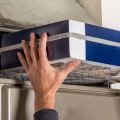
- Filter Replacement: Change or clean your air filters every 1-3 months, depending on usage. Clogged filters restrict airflow and force your furnace to work harder.
- Cleansing Components: During maintenance visits, professionals will clean essential parts like the blower motor and heat exchanger to ensure efficient operation.
- Checking Thermostat Settings: Ensure that your thermostat is calibrated correctly for optimal performance. A malfunctioning thermostat can lead to inconsistent heating and increased energy consumption.
Key Maintenance Tasks to Extend Your Furnace's Life
To ensure your furnace operates efficiently and lasts as long as possible, regular maintenance is crucial.Here are some key maintenance tasks that homeowners can perform or schedule with professionals to extend the lifespan of their furnace:
- Check and Replace Air Filters: One of the simplest yet most effective maintenance tasks is to regularly check and replace your furnace's air filters. Clogged filters restrict airflow, making your furnace work harder and potentially leading to overheating. Aim to check your filters monthly and replace them every 1-3 months, depending on usage and the type of filter.
- Clean the Furnace Components: Dust and debris can accumulate in various parts of your furnace, affecting its performance. Regularly clean components such as the blower motor, burners, and heat exchanger.
This can often be done during a professional maintenance visit, but homeowners can also perform light cleaning with a vacuum or soft brush.
- Inspect the Ductwork: Leaky or blocked ducts can significantly reduce your furnace's efficiency. Inspect your ductwork for any signs of damage or disconnections. Sealing leaks with duct tape or mastic sealant can improve airflow and reduce energy costs.
- Schedule Annual Professional Inspections: While there are many tasks you can handle yourself, scheduling an annual inspection with a qualified HVAC technician is essential. They can perform a thorough check-up, identify potential issues, and ensure that all components are functioning correctly.
- Test the Thermostat: Ensure that your thermostat is working correctly by testing it regularly.
A malfunctioning thermostat can lead to inconsistent heating and increased energy bills. Consider upgrading to a smart thermostat for better efficiency and control.
- Check for Carbon Monoxide Leaks: Safety should always be a priority. Regularly check for carbon monoxide leaks by ensuring that your furnace is venting properly. Installing a carbon monoxide detector near your furnace can provide peace of mind.
If you find yourself needing assistance or if you're searching for furnace replacement near me, don't hesitate to reach out to local HVAC professionals who can provide expert guidance and service.
Signs Your Furnace Needs Attention
As a homeowner, it’s crucial to be aware of the signs that indicate your furnace may require attention. Ignoring these warning signals can lead to more severe issues, including costly repairs or even the need for a furnace replacement. Here are some common indicators that your furnace might be struggling:- Unusual Noises: If your furnace starts making strange sounds such as banging, clanking, or squealing, it could be a sign of mechanical issues. These noises often indicate that components are loose or worn out and may require immediate inspection.
- Inconsistent Heating: If certain rooms in your home are significantly warmer or colder than others, your furnace may not be distributing heat evenly.
This inconsistency can stem from ductwork problems or issues with the furnace itself.
- Increased Energy Bills: A sudden spike in your energy bills can indicate that your furnace is working harder than it should. This inefficiency may be due to age, lack of maintenance, or underlying mechanical problems.
- Yellow Burner Flame: A healthy gas furnace should have a blue flame. If you notice a yellow or flickering flame, it could indicate incomplete combustion, which poses safety risks and suggests that your furnace needs professional attention.
- Frequent Cycling: If your furnace turns on and off frequently, this short cycling can lead to increased wear and tear on the system. It may be caused by a malfunctioning thermostat or other internal issues.
- Foul Odors: Unpleasant smells coming from your furnace can signal various problems.
A burning smell might indicate dust buildup, while a gas odor could suggest a leak, which is a serious safety concern requiring immediate action.
Energy Efficiency and Its Impact on Lifespan
When considering the longevity of your furnace, energy efficiency plays a crucial role. High-efficiency furnaces are designed to operate with less energy consumption while providing the same level of heating comfort.This not only translates to lower utility bills but also contributes to a longer lifespan for the unit itself.
Benefits of Energy Efficiency
- Reduced Wear and Tear: Energy-efficient models often utilize advanced technology, such as variable-speed blowers and modulating burners, which allow them to operate more smoothly and with less strain. This reduced strain means that components are less likely to wear out quickly, extending the overall lifespan of the furnace.
- Lower Operating Costs: By consuming less energy, high-efficiency furnaces can significantly lower your monthly heating bills. This cost savings can be redirected towards regular maintenance and timely repairs, further enhancing the longevity of your system.
- Environmental Impact: Energy-efficient furnaces produce fewer emissions compared to their less efficient counterparts. By reducing your carbon footprint, you contribute positively to the environment while enjoying a reliable heating source.
- Increased Home Value: Homes equipped with modern, energy-efficient heating systems often have higher resale values.
Prospective buyers are increasingly looking for energy-efficient features, making your home more attractive in a competitive market.
Choosing the Right Furnace for Your Home
Choosing the right furnace for your home is a critical decision that can significantly impact your comfort, energy efficiency, and overall utility costs.With various options available, understanding the key factors involved in selecting a furnace is essential for making an informed choice.
Consider Your Home's Size
The first step in selecting a furnace is to assess the size of your home. A furnace that is too small will struggle to heat your space adequately, while one that is too large can lead to inefficient operation and increased energy costs. To determine the appropriate size, you can use the BTU (British Thermal Unit) measurement, which indicates the amount of heat required to raise the temperature of one pound of water by one degree Fahrenheit.- Calculate Your Home's Square Footage: Measure the total area of your home to get an accurate estimate.
- Use a BTU Calculator: Online calculators can help you determine the necessary BTUs based on your home's size, insulation quality, and climate zone.
Types of Furnaces
Next, consider the type of furnace that best suits your needs. The most common types include:- Gas Furnaces: These are popular for their efficiency and cost-effectiveness.
They use natural gas or propane and typically have lower operating costs compared to electric models.
- Electric Furnaces: While generally more expensive to operate, electric furnaces are easier to install and maintain. They are ideal for homes without access to gas lines.
- Oil Furnaces: Less common today, oil furnaces are still used in some areas. They require more maintenance and can be less efficient than gas or electric options.
Efficiency Ratings
The efficiency of a furnace is measured by its AFUE (Annual Fuel Utilization Efficiency) rating. This percentage indicates how much fuel is converted into usable heat.A higher AFUE rating means better efficiency and lower energy bills. When choosing a furnace, look for models with an AFUE rating of at least 90% for optimal performance.
Consulting Professionals
If you're unsure about which furnace is best for your home, consider seeking advice from HVAC professionals. They can provide insights tailored to your specific situation and help you find options that fit your budget and heating needs. Additionally, searching for furnace replacement near me can connect you with local experts who can assist with installation and maintenance.In conclusion, selecting the right furnace involves evaluating your home's size, understanding different types of furnaces, and considering efficiency ratings.By taking these factors into account, you can ensure that you choose a heating system that meets your needs while maximizing comfort and energy savings.
DIY Tips for Homeowners to Maintain Their Furnaces
Maintaining your furnace doesn’t always require a professional. As a homeowner, there are several DIY tips you can implement to ensure your heating system runs efficiently and lasts longer. Here are some practical steps you can take:- Regularly Replace Air Filters: One of the simplest yet most effective maintenance tasks is to check and replace your air filters regularly. Clogged filters restrict airflow, making your furnace work harder and reducing its efficiency.
Aim to replace or clean your filters every 1-3 months, especially during peak heating seasons.
- Keep Vents Clear: Ensure that all vents and registers are unobstructed by furniture, curtains, or other objects. This allows for optimal airflow throughout your home, which can help maintain a consistent temperature and reduce strain on your furnace.
- Inspect the Thermostat: A malfunctioning thermostat can lead to inefficient heating. Check that it is functioning correctly and consider upgrading to a programmable or smart thermostat for better energy management.
- Clean the Furnace Area: Dust and debris can accumulate around your furnace, which may pose a fire hazard and affect its performance. Regularly vacuum the area around the furnace and ensure that it is free from clutter.
- Check for Leaks: Inspect ductwork for any signs of leaks or damage.
Sealing leaks with duct tape or mastic sealant can improve efficiency by ensuring that heated air reaches its intended destination without escaping into unconditioned spaces.
- Test Safety Features: Regularly test the safety features of your furnace, such as the emergency shut-off switch and carbon monoxide detectors. This ensures that your system operates safely and alerts you to any potential hazards.
When to Consider Furnace Replacement
Deciding whether to repair or replace your furnace can be a daunting task for any homeowner.However, recognizing the signs that indicate a need for furnace replacement is crucial for ensuring your home remains comfortable and energy-efficient. Here are some key scenarios where replacing your furnace may be the best option:
- Age of the Furnace: If your furnace is over 15 years old, it may be time to consider a replacement. Older models are often less efficient and more prone to breakdowns, leading to higher energy bills and repair costs.
- Frequent Repairs: If you find yourself calling for repairs multiple times a year, it might be more cost-effective to invest in a new unit. A good rule of thumb is the "$5,000 rule"—if your repair costs exceed 50% of the price of a new furnace multiplied by its age, replacement is likely the better choice.
- Increased Energy Bills: A sudden spike in your heating bills can indicate that your furnace is struggling to operate efficiently.
Newer models are designed to use less energy while providing better heating performance, which can lead to significant savings over time.
- Uneven Heating: If certain rooms in your home are consistently colder than others, it may signal that your furnace is no longer able to distribute heat evenly. This could be due to an aging system or ductwork issues that might warrant a full replacement.
- Noisy Operation: Unusual noises such as banging, rattling, or squeaking can indicate serious issues within your furnace. While some sounds can be repaired, persistent noise problems may suggest that it's time for a new unit.
They can help you choose a model that fits your home’s requirements while ensuring optimal performance and longevity.Ultimately, understanding when to replace your furnace can save you money in the long run and provide peace of mind knowing that your home will remain warm and inviting during the cold months ahead.
Frequently Asked Questions About Furnace Lifespan and Maintenance
When it comes to understanding the lifespan and maintenance of your furnace, many homeowners have questions. Here are some of the most frequently asked questions that can help clarify common concerns.How long can I expect my furnace to last?
The average lifespan of a furnace typically ranges from 15 to 20 years, depending on various factors such as the type of furnace, maintenance practices, and environmental conditions. Regular maintenance can significantly extend this lifespan, allowing some furnaces to operate efficiently for over two decades.What are the signs that my furnace needs replacement?
- Age: If your furnace is over 15 years old and requires frequent repairs, it may be time to consider a replacement.
- Increased energy bills: A sudden spike in your heating costs could indicate that your furnace is losing efficiency.
- Uneven heating: If certain rooms in your home are consistently colder than others, it may signal that your furnace is struggling to distribute heat effectively.
- Noisy operation: Unusual sounds such as banging or rattling can indicate mechanical issues that may warrant a replacement.
How often should I schedule maintenance for my furnace?
It is recommended to schedule professional maintenance at least once a year. Annual inspections allow HVAC professionals to clean and tune your system, ensuring it operates efficiently and safely.Additionally, changing air filters every 1-3 months can help maintain optimal performance.
Can I perform maintenance on my furnace myself?
While some basic tasks like changing air filters can be done by homeowners, it is advisable to leave comprehensive maintenance and repairs to qualified professionals. They have the expertise to identify potential issues and ensure that your furnace operates safely and efficiently.What should I do if my furnace breaks down?
If your furnace stops working, first check the thermostat settings and ensure that the power supply is intact. If everything appears normal but the furnace still won’t operate, contact a local HVAC technician for a thorough inspection. Avoid attempting complex repairs yourself, as this could lead to further damage or safety hazards.By addressing these common questions, homeowners can better understand their furnaces and take proactive steps in maintenance and care, ultimately extending the lifespan of this essential home appliance.Conclusion: Ensuring Longevity for Your Furnace Investment
In conclusion, ensuring the longevity of your furnace is not merely about waiting for it to break down before taking action.It requires a proactive approach that encompasses regular maintenance, timely repairs, and informed decision-making regarding replacements. By understanding the factors that influence your furnace's lifespan, you can take steps to maximize its efficiency and durability.Regular maintenance is the cornerstone of a well-functioning heating system. Scheduling annual inspections with a qualified HVAC professional can help identify potential issues before they escalate into costly repairs. During these visits, technicians will clean critical components, check for wear and tear, and make necessary adjustments to keep your furnace operating at peak performance.Additionally, adhering to a strict schedule for air filter replacement is essential.
Clogged filters can restrict airflow, forcing your furnace to work harder and potentially leading to premature failure. By replacing filters every 1-3 months, you can ensure that your system runs efficiently.When considering a furnace replacement, opting for a high-efficiency model can significantly impact both your energy bills and the lifespan of your new unit. Modern furnaces are designed with advanced technology that not only enhances performance but also reduces energy consumption. Investing in a reputable brand ensures that you receive a product built for longevity.Lastly, maintaining a comfortable home environment by keeping your thermostat settings within recommended ranges can reduce the frequency of furnace operation.
This simple adjustment can lead to less wear on your system over time.By following these expert tips and being proactive about maintenance and replacement decisions, you can extend the life of your furnace significantly. Remember, a well-maintained furnace not only provides comfort but also represents a wise investment in your home’s value and efficiency.