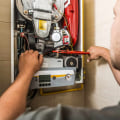
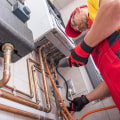
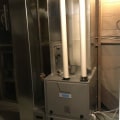
Understanding your HVAC system is crucial for maintaining a comfortable and healthy living environment. HVAC, which stands for heating, ventilation, and air conditioning, encompasses a variety of components that work together to regulate indoor temperature and air quality. At the heart of this system is the furnace, which provides essential heat during colder months. However, many homeowners overlook the importance of regular maintenance and the potential consequences of neglecting their HVAC systems, such as when your fridge and freezer suddenly stop working.When you search for Understanding your HVAC system is crucial for maintaining a comfortable and healthy living environment. HVAC, which stands for heating, ventilation, and air conditioning, encompasses a variety of components that work together to regulate indoor temperature and air quality. At the heart of this system is the furnace, which provides essential heat during colder months. However, many homeowners overlook the importance of regular maintenance and the potential consequences of neglecting their HVAC systems, such as when your fridge and freezer suddenly stop working.When you search for is crucial for maintaining a comfortable and healthy living environment. HVAC, which stands for heating, ventilation, and air conditioning, encompasses a variety of components that work together to regulate indoor temperature and air quality. At the heart of this system is the furnace, which provides essential heat during colder months. However, many homeowners overlook the importance of regular maintenance and the potential consequences of neglecting their HVAC systems, such as when your fridge and freezer suddenly stop working.When you search for Understanding your HVAC system is crucial for maintaining a comfortable and healthy living environment. HVAC, which stands for heating, ventilation, and air conditioning, encompasses a variety of components that work together to regulate indoor temperature and air quality. At the heart of this system is the furnace, which provides essential heat during colder months. However, many homeowners overlook the importance of regular maintenance and the potential consequences of neglecting their HVAC systems, such as when your fridge and freezer suddenly stop working.When you search for furnace replacement near me, it often indicates that your current system may be nearing the end of its lifespan or has already encountered significant issues.
The reality is that HVAC systems are complex and require regular attention to function efficiently. Components such as air filters, ductwork, and thermostats all play vital roles in ensuring optimal performance. Failing to maintain these elements can lead to decreased efficiency, higher energy bills, and ultimately costly repairs or replacements.Regular maintenance not only extends the life of your HVAC system but also enhances its efficiency. A well-maintained system can significantly reduce energy consumption, which translates to lower utility bills.
Moreover, neglecting routine check-ups can result in hidden costs that accumulate over time, such as emergency repairs or premature system failures. Understanding these aspects is essential for homeowners who wish to avoid unexpected expenses and ensure their HVAC systems operate smoothly.In this article, we will delve deeper into the hidden costs associated with neglecting your HVAC system. By recognizing the importance of proactive maintenance and understanding the various components involved, you can make informed decisions that will save you money in the long run while keeping your home comfortable year-round.
The Consequences of Neglecting HVAC Maintenance
Neglecting regular maintenance of your HVAC system can lead to a cascade of negative consequences that extend beyond mere inconvenience. Homeowners often underestimate the importance of routine checks, which can result in significant hidden costs and health risks.One of the most immediate effects of neglecting HVAC maintenance is the increase in energy bills.A system that is not functioning optimally has to work harder to maintain the desired temperature, leading to higher energy consumption. According to the U. S. Department of Energy, poorly maintained systems can consume up to 30% more energy than well-maintained ones.
This not only impacts your wallet but also contributes to a larger carbon footprint.In addition to rising energy costs, a neglected HVAC system can suffer from reduced efficiency. Dust and debris accumulation in filters and ducts can obstruct airflow, causing the system to operate less effectively. This inefficiency can lead to uneven heating or cooling throughout your home, creating uncomfortable living conditions. Over time, this can also result in premature wear and tear on critical components, necessitating costly repairs or even a furnace replacement near me.Moreover, there are potential health risks associated with neglecting HVAC maintenance.
A dirty system can circulate allergens, dust, and mold spores throughout your home, exacerbating respiratory issues and allergies for you and your family. Regular maintenance helps ensure that air filters are clean and that the air quality in your home remains safe and healthy.Another consequence of neglect is the risk of unexpected breakdowns during extreme weather conditions. A malfunctioning HVAC system in the middle of summer or winter can leave you without heating or cooling when you need it most. This not only causes discomfort but may also require emergency repairs that are often more expensive than scheduled maintenance.In summary, the consequences of neglecting HVAC maintenance are far-reaching.
From increased energy bills and reduced efficiency to potential health risks and unexpected breakdowns, the hidden costs can add up quickly. To avoid these pitfalls, homeowners should prioritize regular inspections and maintenance to ensure their HVAC systems operate efficiently and effectively.
Common Issues Resulting from Neglected HVAC Systems
Neglecting your HVAC system can lead to a variety of common issues that not only affect the comfort of your home but also result in costly repairs. Understanding these problems is crucial for homeowners who want to maintain an efficient and effective heating and cooling system.One of the most prevalent issues is refrigerant leaks. When refrigerant levels drop due to leaks, your air conditioning unit struggles to cool your home effectively.This not only leads to increased energy bills but can also cause the compressor to overheat, potentially resulting in a complete system failure. Homeowners should be vigilant for signs of refrigerant leaks, such as ice buildup on the evaporator coils or a hissing sound near the unit.Another common problem is a broken compressor. The compressor is the heart of your HVAC system, responsible for circulating refrigerant throughout the system. If it fails, you may notice that your air conditioning unit is running but not cooling effectively.
This issue can often be traced back to neglect, as regular maintenance can help identify early signs of wear and tear before they escalate into major failures.
Malfunctioning thermostats
are also a frequent consequence of neglecting HVAC systems. A thermostat that isn’t functioning properly can lead to inconsistent temperatures throughout your home, causing discomfort and increasing energy consumption. Homeowners should check their thermostats regularly for accuracy and responsiveness. If you find that your thermostat is unresponsive or displaying incorrect temperatures, it may be time for a replacement.Additionally, clogged filters can significantly impact the efficiency of your HVAC system.
Dirty filters restrict airflow, forcing the system to work harder and leading to increased wear on components. Regularly changing or cleaning filters is a simple yet effective way to prevent this issue.Lastly, neglecting routine maintenance can lead to furnace issues , especially during colder months. A furnace that hasn’t been serviced may develop problems such as pilot light issues or ignition failures, which can leave you without heat when you need it most. Regular inspections can help catch these problems early, ensuring that your furnace operates efficiently and safely.In summary, being aware of these common HVAC problems and their signs can save homeowners from unexpected expenses and discomfort.
Regular maintenance is key to preventing these issues and ensuring that your heating and cooling systems function optimally.
The Financial Impact of Delayed Repairs
Neglecting necessary repairs in your HVAC system can lead to significant financial repercussions. Homeowners often underestimate the cost of HVAC repairs , believing that minor issues will resolve themselves or that they can postpone maintenance without consequence. However, this mindset can result in escalating problems that require more extensive and expensive solutions.For instance, a small refrigerant leak in your air conditioning unit may seem trivial at first. Yet, if left unaddressed, it can lead to a complete system failure, necessitating a costly replacement.The average cost of a new air conditioning unit can range from $3,000 to $7,000, depending on the size and efficiency of the system. This is a stark contrast to the relatively low cost of repairing a minor leak, which typically falls between $200 and $600.Moreover, the financial impact of neglecting your HVAC system extends beyond immediate repair costs. Inefficient systems consume more energy, leading to higher utility bills. Department of Energy, poorly maintained HVAC systems can increase energy consumption by up to 30%.
This means that over time, the cumulative cost of running an inefficient system can far exceed the expense of regular maintenance and timely repairs.Additionally, homeowners should consider the potential costs associated with furnace replacement. A furnace that is not properly maintained may develop issues such as a cracked heat exchanger or malfunctioning blower motor. These problems not only compromise the efficiency of your heating system but also pose safety risks. Repairing these components can be expensive, often ranging from $500 to $1,500.
In some cases, it may be more cost-effective to replace the entire unit, which could set you back anywhere from $2,500 to $6,000.In summary, delaying necessary HVAC repairs can lead to a domino effect of financial burdens. From increased energy bills to costly replacements, the implications of neglecting your system are far-reaching. Homeowners are encouraged to prioritize regular maintenance and address issues promptly to avoid these hidden costs.
When to Consider Furnace Replacement
Deciding when to replace your furnace can be a daunting task for many homeowners. However, recognizing the signs of an aging or inefficient furnace is crucial to maintaining a comfortable and energy-efficient home.Here are some key indicators that it may be time to consider furnace replacement near me.
Signs You Need a New Furnace
- Age of the Furnace: Most furnaces have a lifespan of about 15 to 20 years. If your furnace is approaching or has surpassed this age, it’s wise to start considering a replacement.
- Increased Energy Bills: A sudden spike in your heating bills can indicate that your furnace is working harder than it should. If you notice a consistent increase in costs without a corresponding change in usage, it may be time for a new unit.
- Frequent Repairs: If you find yourself calling for repairs more often than usual, this could be a sign that your furnace is nearing the end of its life. Frequent breakdowns not only disrupt your comfort but can also add up to significant costs over time.
- Uneven Heating: If certain rooms in your home are consistently colder than others, it may indicate that your furnace is struggling to distribute heat evenly.
This inefficiency can be a sign of an aging system.
- Strange Noises: Unusual sounds such as banging, rattling, or squeaking can indicate mechanical issues within the furnace. While some noises can be repaired, persistent sounds may suggest that replacement is necessary.
- Yellow Burner Flame: A healthy furnace should have a blue flame. If you notice a yellow or flickering flame, it could indicate incomplete combustion and the presence of carbon monoxide, which is a serious safety hazard.
They can provide an assessment and help you determine if furnace replacement near me is the best option for your home’s heating needs.
The Importance of Regular Maintenance Checks
Regular maintenance checks for your HVAC system are not just a good idea; they are essential for ensuring the longevity and efficiency of your heating and cooling units. By scheduling these checks, homeowners can identify potential issues before they escalate into costly repairs or even necessitate a furnace replacement near me.One of the primary benefits of regular maintenance is the ability to catch minor problems early. For instance, a small refrigerant leak can lead to significant inefficiencies in your air conditioning system, causing it to work harder and consume more energy. This not only increases your utility bills but can also shorten the lifespan of your unit.During a maintenance check, technicians can identify such leaks and address them promptly, saving you money in the long run.Moreover, regular maintenance helps maintain optimal performance. An HVAC system that is well-maintained operates more efficiently, which translates to lower energy costs. Department of Energy, proper maintenance can improve efficiency by up to 15%. This means that by investing in routine checks, you are not only prolonging the life of your system but also enhancing its performance.Another critical aspect of preventive HVAC care is safety.
Faulty systems can pose serious risks, including carbon monoxide leaks or electrical hazards. Regular inspections allow professionals to ensure that all components are functioning correctly and safely. For example, a malfunctioning heat exchanger can lead to dangerous situations if left unchecked.In addition to safety and efficiency, regular maintenance checks can also improve indoor air quality. Dust, allergens, and other pollutants can accumulate in your HVAC system over time.
During maintenance visits, technicians clean filters and ducts, ensuring that the air circulating in your home is clean and healthy.In conclusion, the importance of scheduling regular maintenance checks for your HVAC system cannot be overstated. From catching minor issues before they become major problems to enhancing efficiency and safety, these routine inspections are a wise investment for any homeowner. Don’t wait until it’s too late; prioritize your HVAC maintenance today to avoid unexpected expenses down the line.
Choosing the Right HVAC Service Provider
When it comes to maintaining your HVAC system, selecting the right service provider is crucial for ensuring that your heating and cooling needs are met efficiently and effectively. Here are some essential tips to help you find a reliable HVAC service provider:- Research Local Options: Start by searching for HVAC services near me.
This will give you a list of local contractors who can provide timely service. Look for companies with a strong presence in your community, as they are more likely to understand local climate conditions and regulations.
- Check Credentials: Ensure that the HVAC contractor you consider is licensed and insured. A valid license indicates that the technician has undergone the necessary training and adheres to industry standards. Insurance protects you from liability in case of accidents during service.
- Read Reviews: Online reviews can provide valuable insights into the quality of service offered by different providers.
Websites like Yelp, Google Reviews, and Angie's List can help you gauge customer satisfaction. Look for patterns in feedback regarding punctuality, professionalism, and workmanship.
- Ask for Recommendations: Word-of-mouth referrals from friends, family, or neighbors can lead you to trustworthy HVAC contractors. Personal experiences often highlight the strengths and weaknesses of a service provider.
- Get Multiple Quotes: Don’t settle for the first estimate you receive. Contact several contractors to compare prices and services offered.
This will help you understand the market rate and ensure you’re not overpaying for maintenance or repairs.
- Inquire About Experience: Ask potential contractors about their experience with your specific HVAC system type. A company that has worked extensively with your brand or model will likely have a better understanding of its unique requirements.
- Evaluate Customer Service: Pay attention to how responsive and helpful the company is during your initial interactions. A reliable HVAC service provider should be willing to answer your questions and provide clear explanations about their services.
FAQs About HVAC Maintenance and Furnace Replacement
When it comes to maintaining your HVAC system and considering furnace replacement near me, homeowners often have numerous questions.Here are some of the most frequently asked questions regarding HVAC maintenance and furnace replacement:
What are the signs that my furnace needs to be replaced?
Several indicators can suggest that it’s time for a furnace replacement:- Age: If your furnace is over 15 years old, it may be nearing the end of its lifespan.
- Increased energy bills: A sudden spike in your heating costs can indicate inefficiency.
- Frequent repairs: If you find yourself calling for repairs multiple times a year, it may be more cost-effective to replace the unit.
- Uneven heating: Cold spots in your home can signal that your furnace is struggling to distribute heat evenly.
- Noisy operation: Unusual sounds like banging or rattling can indicate mechanical issues.
How often should I schedule HVAC maintenance?
It is recommended to have your HVAC system serviced at least once a year. Scheduling maintenance in the fall for your heating system ensures that it is ready for the winter months. Regular maintenance helps identify potential issues early, prolonging the life of your system and improving efficiency.What does HVAC maintenance typically include?
A comprehensive HVAC maintenance service usually includes:- Inspection of all components, including the furnace, air conditioner, and ductwork.
- Cleansing of filters and coils to enhance airflow and efficiency.
- Checking refrigerant levels and ensuring there are no leaks.
- Testing thermostat functionality and calibrating as necessary.
- Lubricating moving parts to reduce wear and tear.
Can I perform HVAC maintenance myself?
While some basic tasks, such as changing filters, can be done by homeowners, it’s advisable to leave comprehensive maintenance to professionals. They have the expertise to identify issues that may not be visible to the untrained eye, ensuring your system operates safely and efficiently.If you have further questions or need assistance with furnace replacement near me, don’t hesitate to reach out to a qualified HVAC technician who can provide tailored advice based on your specific situation.Conclusion: The Cost-Effectiveness of Proactive HVAC Care
In conclusion, the hidden costs associated with neglecting your HVAC system can be substantial and far-reaching.Homeowners often underestimate the importance of regular maintenance and timely repairs, leading to a cascade of issues that can escalate into significant financial burdens. By prioritizing proactive care, you not only enhance the efficiency and lifespan of your HVAC system but also safeguard your home against unexpected expenses.Throughout this article, we have explored various aspects of HVAC maintenance, emphasizing the critical role it plays in preventing costly repairs and replacements. From minor refrigerant leaks to major component failures, each issue can compound over time, resulting in a much larger financial impact than anticipated. For instance, ignoring a small problem like a dirty air filter can lead to increased energy consumption and strain on the system, ultimately necessitating furnace replacement near me sooner than expected.Moreover, regular inspections and maintenance allow homeowners to identify potential problems before they escalate.
This proactive approach not only saves money but also ensures a comfortable living environment year-round. By investing in routine check-ups and addressing issues promptly, you can avoid the stress and inconvenience of emergency repairs.Additionally, understanding the various components of your HVAC system and their associated costs is essential for making informed decisions. Knowledge empowers homeowners to choose reliable service providers and make strategic choices regarding their HVAC systems. This includes knowing when to repair versus when to replace components, which can significantly affect long-term costs.Ultimately, the cost-effectiveness of proactive HVAC care cannot be overstated.
By taking charge of your HVAC maintenance, you not only protect your investment but also contribute to a healthier home environment. Remember, a well-maintained system operates more efficiently, reducing energy bills and enhancing comfort levels.In summary, don’t wait for problems to arise; take action now to ensure your HVAC system remains in optimal condition. The benefits of proactive care extend beyond immediate savings—they pave the way for long-term peace of mind and comfort in your home.