As homeowners, we often take our heating systems for granted, assuming they will continue to function efficiently year after year. However, if your furnace is approaching or has surpassed the 30-year mark, it’s crucial to consider the implications of keeping such an aging unit. The reality is that a furnace replacement is not just a matter of convenience; it can significantly impact your home’s comfort, energy efficiency, and safety, especially if you have a wine cellar that requires consistent temperature control. Understanding the importance of As homeowners, we often take our heating systems for granted, assuming they will continue to function efficiently year after year. However, if your furnace is approaching or has surpassed the 30-year mark, it’s crucial to consider the implications of keeping such an aging unit. The reality is that a furnace replacement is not just a matter of convenience; it can significantly impact your home’s comfort, energy efficiency, and safety, especially if you have a wine cellar that requires consistent temperature control. Understanding the importance of furnace replacement is the first step toward making an informed decision that benefits both your household and your wallet.One of the most compelling reasons to explore furnace replacement near me is the potential for improved energy efficiency.
Modern furnaces are designed with advanced technology that allows them to operate more effectively than their older counterparts. This means that by upgrading to a new model, you can enjoy lower energy bills while maintaining a comfortable living environment. Additionally, newer furnaces often come equipped with features that enhance their performance and reliability, reducing the likelihood of unexpected breakdowns during the coldest months.Moreover, replacing an old furnace can lead to significant improvements in indoor air quality. Older units may accumulate dust, allergens, and other pollutants over time, which can circulate throughout your home.
A new furnace not only provides better heating but also helps filter out these harmful particles, contributing to a healthier living space for you and your family. As we delve deeper into the benefits of furnace replacement, it becomes clear that this investment is not merely about comfort; it’s about ensuring a safe and efficient home environment.
Signs That Indicate It's Time for a Replacement
Recognizing the signs that your furnace is nearing the end of its lifespan is essential for maintaining a comfortable and safe home environment. Ignoring these indicators can lead to unexpected breakdowns, higher energy bills, and even safety hazards. Here are some key signs that suggest it might be time to consider a furnace replacement near me.- Age of the Furnace: If your furnace is over 30 years old, it is likely operating at a fraction of its original efficiency.
Most furnaces have a lifespan of 15 to 20 years, so if yours is approaching or exceeding this age, it’s time to start planning for a replacement.
- Increased Energy Bills: A sudden spike in your heating costs can indicate that your furnace is working harder than it should. If you notice a consistent increase in your energy bills without any changes in usage, it may be due to an inefficient furnace that needs replacing.
- Frequent Repairs: If you find yourself calling for repairs more often than usual, it’s a clear sign that your furnace is struggling. Frequent breakdowns not only disrupt your comfort but can also add up to significant repair costs over time.
- Uneven Heating: Are some rooms in your home warmer than others? Inconsistent heating can indicate that your furnace is failing to distribute heat evenly throughout your home. This could be due to duct issues or an aging furnace that can no longer perform effectively.
- Strange Noises: Unusual sounds such as banging, rattling, or squeaking coming from your furnace can signal mechanical issues.
While some noises may be minor, persistent or loud sounds often indicate that components are wearing out and may require replacement.
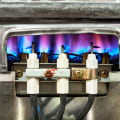
- Yellow Burner Flame: A healthy gas furnace should have a blue flame. If you notice a yellow or flickering flame, this could indicate incomplete combustion and the presence of carbon monoxide, which is a serious safety hazard. In such cases, immediate replacement is necessary.
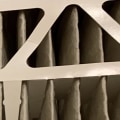
- Excessive Dust and Allergens: If you find an increase in dust around your home or experience more allergy symptoms, it could be due to an inefficient furnace that isn’t filtering air properly. A new furnace with better filtration can improve indoor air quality significantly.
Taking action sooner rather than later can save you from discomfort and unexpected expenses during the cold winter months.
Energy Efficiency and Cost Savings
When considering a furnace replacement near me, one of the most compelling reasons to invest in a new system is the significant improvement in energy efficiency. Modern furnaces are designed with advanced technology that allows them to operate more effectively than their older counterparts, which can lead to substantial savings on your utility bills.Older furnaces, particularly those that are 30 years old or more, often have efficiency ratings below 60%. This means that a large portion of the energy consumed is wasted, resulting in higher heating costs. In contrast, new furnaces typically boast efficiency ratings of 90% or higher.This improvement translates to:
- Lower Energy Bills: By upgrading to a high-efficiency furnace, homeowners can expect to see a noticeable reduction in their monthly energy expenses. The U. S. Department of Energy estimates that replacing an old furnace with a new, energy-efficient model can save homeowners between 10% and 50% on heating costs.
- Improved Comfort: Newer models not only save money but also provide better temperature control and more consistent heating throughout your home.
This means fewer cold spots and a more comfortable living environment.
- Environmental Benefits: A more efficient furnace reduces your carbon footprint by consuming less fuel and emitting fewer greenhouse gases. This is an important consideration for environmentally conscious homeowners.
By choosing to replace your old furnace with a modern, efficient model, you are not only enhancing your home's comfort but also making a smart investment in your financial future.
Enhanced Comfort and Consistent Heating
When considering a furnace replacement near me, one of the most significant advantages of upgrading to a modern furnace is the enhanced comfort it provides. Older furnaces, especially those that are 30 years old or more, often struggle to maintain a consistent temperature throughout your home. This inconsistency can lead to cold spots in certain areas and an overall uncomfortable living environment.Modern furnaces are designed with advanced technology that allows for better heat distribution and more precise temperature control. Many new models feature variable-speed blowers that adjust the airflow based on the heating needs of your home.This means that instead of blasting hot air intermittently, a new furnace can provide a steady stream of warm air, ensuring that every room reaches the desired temperature without the fluctuations common in older systems.Moreover, modern furnaces often come equipped with smart thermostats that allow homeowners to program their heating schedules and monitor their energy usage remotely. This not only enhances comfort by allowing you to set the perfect temperature before you arrive home but also contributes to energy efficiency, which can lead to lower utility bills.Another aspect of comfort is noise level. Older furnaces can be quite loud, with clanking and banging sounds that can be disruptive. In contrast, newer models operate much more quietly, allowing you to enjoy a peaceful environment without the constant reminder of your heating system working hard.In addition to improved heating performance, a new furnace can also enhance indoor air quality.
Many modern units come with advanced filtration systems that trap dust, allergens, and other pollutants, ensuring that the air you breathe is cleaner and healthier. This is particularly beneficial for families with allergies or respiratory issues.In summary, replacing your old furnace not only addresses the immediate concerns of inconsistent heating but also significantly improves overall comfort in your home. With better temperature control, quieter operation, and enhanced air quality, investing in a new furnace is a decision that pays off in both comfort and health.
Safety Considerations with Old Furnaces
As furnaces age, they can pose significant safety risks that homeowners should not overlook. One of the most pressing concerns with older heating systems is the potential for carbon monoxide leaks.This colorless, odorless gas is a byproduct of incomplete combustion and can be deadly if inhaled in large quantities. Older furnaces, particularly those that are not regularly maintained, are more susceptible to developing cracks in their heat exchangers, which can lead to dangerous leaks.In addition to carbon monoxide risks, aging furnaces can also present fire hazards. Over time, dust and debris can accumulate within the furnace and its ductwork, creating a flammable environment. If the furnace malfunctions or overheats, this buildup can ignite, leading to a potentially devastating fire.
Regular inspections and cleanings are essential to mitigate these risks, but even with proper maintenance, the inherent dangers of an old furnace remain.Another safety consideration is the risk of explosions. Furnaces that rely on natural gas or propane can become hazardous if there are leaks in the gas lines or if the ignition system fails. An aging furnace may not only be less efficient but also more prone to these types of failures. Homeowners should be vigilant for signs of gas leaks, such as a sulfur-like smell or hissing sounds near the furnace.To ensure your home remains safe and comfortable, it is crucial to assess the condition of your furnace as it approaches the 30-year mark.
If you notice any warning signs—such as unusual noises, inconsistent heating, or an increase in energy bills—it may be time to consider a furnace replacement near me. Prioritizing safety by replacing an old furnace can protect your family from potential hazards while also improving energy efficiency.In conclusion, while the decision to replace an aging furnace may seem daunting due to costs and logistics, the safety benefits far outweigh these concerns. Investing in a new heating system not only enhances comfort but also significantly reduces the risks associated with older models. Don't wait for a breakdown or an emergency situation; take proactive steps to ensure your home’s heating system is safe and reliable.
Environmental Impact and Sustainability
When considering a furnace replacement near me, one of the most compelling reasons to upgrade your 30-year-old heating system is the significant environmental impact that modern furnaces can have.Today’s furnaces are engineered with advanced technology that not only enhances efficiency but also prioritizes sustainability.Older furnaces often operate at lower efficiency rates, leading to higher energy consumption and increased greenhouse gas emissions. In contrast, new models are designed to minimize these impacts. For instance, many modern furnaces achieve efficiency ratings of 90% or higher, meaning that they convert a greater portion of fuel into usable heat. This efficiency translates into reduced energy bills and a smaller carbon footprint.
Environmental Benefits of New Furnaces
By replacing your outdated furnace, you contribute to a more sustainable future in several ways:- Lower Carbon Emissions: Newer furnaces emit significantly less carbon dioxide compared to their older counterparts.
This reduction is crucial in combating climate change and improving air quality.
- Reduced Energy Consumption: Modern heating systems utilize advanced technologies such as variable-speed blowers and modulating burners, which adjust the heat output based on demand. This adaptability leads to less energy waste.
- Use of Eco-Friendly Fuels: Many new furnaces are compatible with renewable energy sources, such as biofuels or electricity generated from solar power. This shift towards sustainable energy options further decreases reliance on fossil fuels.
Sustainable Heating Options
In addition to traditional gas and oil furnaces, there are several eco-friendly heating options available today:- Heat Pumps: These systems transfer heat rather than generate it, making them highly efficient and environmentally friendly. They can provide both heating and cooling, reducing the need for separate systems.
- Geothermal Systems: Utilizing the earth’s stable underground temperature, geothermal heating systems offer an incredibly efficient way to heat your home while minimizing environmental impact.
- High-Efficiency Gas Furnaces: These models use condensing technology to extract more heat from the combustion process, resulting in lower emissions and higher efficiency.
By choosing a more efficient heating system, you play a vital role in reducing energy consumption and promoting sustainability for future generations.
Choosing the Right Furnace for Your Home
When it comes to furnace replacement near me , selecting the right furnace for your home is crucial. The decision should be based on several factors, including the size of your home, the energy source you prefer, and your budget. Here’s a comprehensive guide to help you navigate this important choice.Understanding Your Home's Heating Needs
The first step in choosing a furnace is to assess your home’s heating requirements. This involves calculating the square footage of your living space and understanding how well it retains heat.A furnace that is too small will struggle to keep your home warm, while one that is too large can lead to inefficient heating and higher energy bills.
Types of Furnaces
There are several types of furnaces available, each with its own advantages:- Gas Furnaces: These are popular due to their efficiency and lower operating costs. They use natural gas or propane and can heat your home quickly.
- Electric Furnaces: While generally less expensive to install, electric furnaces can lead to higher energy bills, especially in colder climates.
- Oil Furnaces: These are less common but can be effective in areas where natural gas is not available. They require more maintenance than gas or electric models.
- Heat Pumps: These systems can both heat and cool your home. They are highly efficient but may not be suitable for extremely cold climates.
Energy Efficiency Ratings
When comparing furnaces, pay attention to their energy efficiency ratings, often indicated by the Annual Fuel Utilization Efficiency (AFUE) percentage.A higher AFUE rating means better efficiency and lower energy costs over time. Look for models with an AFUE of 90% or higher for optimal savings.
Budget Considerations
Your budget will play a significant role in your decision-making process. While it may be tempting to choose the cheapest option, consider the long-term savings associated with more efficient models. Additionally, factor in installation costs and potential maintenance expenses when evaluating your overall budget.In conclusion, choosing the right furnace involves careful consideration of your home’s heating needs, the types of furnaces available, their energy efficiency ratings, and your budget.By taking these factors into account, you can make an informed decision that will keep your home comfortable for years to come.
The Installation Process: What to Expect
When you decide to replace your old furnace, understanding the installation process can help alleviate any concerns you may have. Here’s a detailed overview of what to expect during the installation of your new furnace.1.Initial Consultation
- Your journey begins with an initial consultation with an HVAC professional. They will assess your home’s heating needs, discuss your options, and help you choose the right furnace model based on efficiency, size, and budget.
- During this visit, the technician may also evaluate your existing ductwork and ventilation systems to ensure compatibility with the new unit.
2.Scheduling the Installation
- Once you’ve selected a furnace, the next step is to schedule the installation. Most HVAC companies will provide a timeline for when the installation can take place, typically within a few days to a week.
- It’s essential to clear the area around your current furnace and ensure that there is easy access for the installation team.
3.Removal of the Old Furnace
- The installation team will arrive on the scheduled day and begin by safely disconnecting and removing your old furnace.
This process includes turning off power and gas supply, which ensures safety during removal.
- They will also dispose of the old unit according to local regulations, so you don’t have to worry about that aspect.
4.Installing the New Furnace
- The new furnace will be carefully placed in position, followed by connecting it to existing ductwork or installing new ducts if necessary. The technicians will ensure that all connections are secure and compliant with local building codes.
- They will also connect the thermostat and any additional components required for optimal operation.
5.Testing and Final Adjustments
- After installation, the HVAC professionals will conduct thorough testing to ensure that everything is functioning correctly. This includes checking for gas leaks, verifying airflow through ducts, and ensuring that the thermostat communicates effectively with the furnace.
- If any adjustments are needed, they will make those on-site to guarantee optimal performance.
6.Post-Installation Walkthrough
- Once everything is set up and tested, the technician will walk you through how to operate your new furnace. They will explain maintenance tips and answer any questions you may have about its operation.
- This is also a good time to discuss warranty information and any service plans available for future maintenance needs.
Understanding these steps can help demystify the process and prepare you for a warm winter ahead!
Frequently Asked Questions About Furnace Replacement
When considering a furnace replacement, homeowners often have numerous questions and concerns. Here are some of the most frequently asked questions regarding furnace replacement:1.How do I know if my furnace needs to be replaced?
Several signs indicate that it may be time for a furnace replacement:- Age: If your furnace is over 30 years old, it is likely less efficient and more prone to breakdowns.
- Increased Energy Bills: A sudden spike in your heating costs can signal that your furnace is working harder than it should.
- Frequent Repairs: If you find yourself calling for repairs multiple times a year, it may be more cost-effective to replace the unit.
- Uneven Heating: Inconsistent temperatures throughout your home can indicate that your furnace is struggling to distribute heat effectively.
- Strange Noises: Unusual sounds such as banging, rattling, or squeaking can be a sign of mechanical issues.
2.What are the benefits of replacing an old furnace?
Replacing an old furnace offers several advantages:- Improved Efficiency: Newer models are designed to operate more efficiently, which can lead to significant savings on energy bills.
- Enhanced Comfort: Modern furnaces provide better temperature control and consistent heating throughout your home.
- Reduced Repair Costs: A new furnace typically requires fewer repairs and maintenance, saving you money in the long run.
- Increased Safety: New furnaces come with updated safety features that reduce the risk of carbon monoxide leaks and other hazards.
3.How much does a furnace replacement cost?
The cost of replacing a furnace can vary widely based on several factors, including:- The type of furnace (gas, electric, or oil)
- The size of your home and the required heating capacity
- The complexity of the installation process
- Your location and local labor costs
4.Should I hire a professional for installation?
While some homeowners may consider DIY installation to save money, hiring a professional is highly recommended. A qualified HVAC technician ensures that the installation is done correctly and safely, adhering to local codes and regulations. This not only protects your investment but also maximizes the efficiency and lifespan of your new furnace.If you have further questions or concerns about furnace replacement near me, don’t hesitate to reach out to local HVAC professionals who can provide tailored advice based on your specific situation.Conclusion: The Long-Term Benefits of Replacing Your Old Furnace
In conclusion, the decision to replace your old furnace is not merely a matter of convenience; it is a crucial step towards ensuring the safety, efficiency, and comfort of your home.As we have explored throughout this article, a furnace that has served you for 30 years or more is likely to be less efficient, more prone to breakdowns, and potentially hazardous to your health.One of the most compelling reasons to consider furnace replacement near me is the significant improvement in energy efficiency that modern furnaces offer. Newer models are designed with advanced technology that allows them to operate at higher efficiency ratings, which translates into lower energy bills. This not only helps you save money but also reduces your carbon footprint, making it an environmentally responsible choice.Moreover, replacing an aging furnace can enhance your home’s comfort level. Older systems often struggle to maintain consistent temperatures, leading to cold spots and discomfort during the winter months.
A new furnace will provide reliable heating, ensuring that every room in your home remains warm and inviting.Safety is another paramount concern. An old furnace can pose serious risks, including gas leaks and carbon monoxide emissions. By opting for a replacement, you are taking proactive measures to protect your family from these dangers. Modern furnaces come equipped with safety features that significantly reduce these risks.Finally, investing in a new furnace can increase the overall value of your home.
Potential buyers are often deterred by outdated heating systems, so having a modern, efficient furnace can make your property more attractive on the market.In summary, the long-term benefits of replacing your old furnace far outweigh the initial costs. From enhanced safety and efficiency to improved comfort and increased home value, making this investment is a wise decision for any homeowner looking to secure their living environment for years to come.