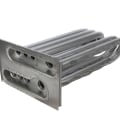
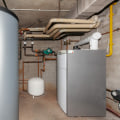
Furnace burners are integral components of heating systems, responsible for igniting the fuel that powers your furnace. These devices convert fuel—whether it be natural gas, propane, or oil—into heat through a combustion process. Understanding how furnace burners operate is essential for homeowners who want to ensure their heating systems function efficiently and reliably. When the thermostat signals the need for heat, the burners activate, mixing fuel with air and igniting it to produce warmth.
This process not only heats the air that circulates through your home but also plays a critical role in maintaining indoor comfort during the colder months.The importance of furnace burners cannot be overstated. They are the heart of your heating system, and their performance directly impacts the overall efficiency of your furnace. A well-functioning burner ensures that fuel is burned completely, maximizing heat output while minimizing waste. Conversely, a malfunctioning burner can lead to incomplete combustion, resulting in reduced heating efficiency and increased energy costs.
Additionally, issues with burners can pose safety risks, such as gas leaks or carbon monoxide production, making regular maintenance and timely replacement crucial.Moreover, understanding the role of furnace burners helps homeowners recognize when professional assistance is needed. Signs of burner issues may include inconsistent heating, unusual noises during operation, or a noticeable increase in energy bills. By being aware of these indicators, you can take proactive steps to address potential problems before they escalate. In this article, we will delve deeper into expert tips for maintaining and replacing furnace burners, ensuring your home remains warm and safe throughout the winter season.
Signs Your Furnace Burners Need Attention
Understanding the signs that your furnace burners may be malfunctioning is crucial for maintaining a comfortable and safe home environment.Ignoring these indicators can lead to more severe issues, including complete furnace failure or safety hazards. Here are some common signs that suggest your furnace burners need attention:
- Inconsistent Heating: If you notice that certain rooms in your home are significantly colder than others, it could indicate that the burners are not functioning properly. Uneven heating often points to a problem with the burner’s ability to distribute heat evenly throughout the system.
- Yellow or Flickering Flame: A healthy gas burner should produce a steady blue flame. If you observe a yellow or flickering flame, this could indicate incomplete combustion, which can lead to dangerous carbon monoxide buildup.
This is a serious issue that requires immediate professional attention.
- Strange Noises: Unusual sounds such as popping, banging, or hissing coming from your furnace can signal problems with the burners. These noises may indicate that there is dirt buildup or other obstructions affecting the burner’s operation.
- Frequent Cycling: If your furnace frequently turns on and off, it may be struggling to maintain the desired temperature due to faulty burners. This not only affects comfort but can also lead to increased energy bills and wear on your system.
- Odors: Any strange smells emanating from your furnace, particularly a gas-like odor, should be taken seriously. This could indicate a gas leak or other hazardous conditions related to burner malfunction.
Contacting a qualified HVAC professional for an inspection can help identify the root cause of the problem and determine whether furnace replacement near me is necessary. Regular maintenance and timely repairs can extend the life of your furnace and ensure it operates safely and efficiently.In some cases, if the burners are beyond repair or if they are significantly outdated, replacing them may be the best option. A professional can assess whether a simple cleaning will suffice or if a full replacement is warranted based on the age and condition of your furnace.
Routine Maintenance for Furnace Burners
Maintaining your furnace burners is crucial for ensuring that your heating system operates efficiently and effectively. Regular maintenance not only prolongs the life of your furnace but also enhances its performance, helping you avoid costly repairs and energy bills.Here are some expert tips on how to keep your furnace burners in top shape.
1.Regular Inspections
Schedule routine inspections of your furnace at least once a year, preferably before the heating season begins. A qualified HVAC technician can assess the condition of your burners and identify any potential issues before they escalate. This proactive approach can save you from unexpected breakdowns and ensure that your system runs smoothly.2.Cleaning the Burners
Over time, dirt and debris can accumulate on the burners, leading to inefficient combustion and reduced heating output. To clean the burners:- Turn off the power: Before starting any maintenance, ensure that the furnace is completely powered down to avoid accidents.
- Remove the burner assembly: Depending on your furnace model, you may need to detach the burner assembly for thorough cleaning.
- Use a soft brush: Gently scrub the burners with a soft brush to remove any buildup.
Avoid using harsh chemicals that could damage the components.
- Vacuum debris: Use a vacuum cleaner with a hose attachment to remove any loose dirt or dust from around the burners.
- Reassemble carefully: Once cleaned, reattach the burner assembly securely before restoring power to the furnace.
3.Check for Proper Alignment
Ensure that the burners are properly aligned within the combustion chamber. Misalignment can lead to uneven heating and increased wear on your furnace. If you notice any discrepancies, consult a professional for adjustments.4.Monitor Flame Color
The color of the flame produced by your furnace burners can indicate their condition:- Blue Flame: A steady blue flame indicates proper combustion and efficient operation.
- Yellow or Orange Flame: A yellow or orange flame suggests incomplete combustion, which could be due to dirty burners or other issues that require immediate attention.
5.Maintain Furnace Efficiency
To maintain overall furnace efficiency, consider these additional tips:- Change Filters Regularly: Dirty filters restrict airflow, making your furnace work harder than necessary. Replace filters every 1-3 months during peak usage seasons.
- Seal Ducts: Ensure that your ductwork is sealed properly to prevent heat loss and improve efficiency.
- Consider Upgrades: If your furnace is older, consider upgrading to a more efficient model when it’s time for replacement.
Look for units with high AFUE (Annual Fuel Utilization Efficiency) ratings.
How to Clean Furnace Burners Safely
Cleaning your furnace burners is an essential part of maintaining your heating system, ensuring it operates efficiently and safely. Regular cleaning can prevent issues such as reduced heat output and increased energy costs. Here’s a step-by-step guide to help you clean your furnace burners safely.Tools You Will Need:
- Vacuum cleaner with a brush attachment
- Soft-bristle brush
- Compressed air canister
- Screwdriver (if needed to access burners)
- Protective gloves
- Safety goggles
- Flashlight
Step-by-Step Cleaning Process:
- Turn Off the Power: Before starting any cleaning, ensure that the furnace is completely powered down.
Locate the power switch or circuit breaker and turn it off to prevent any accidents.
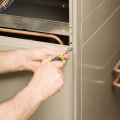
- Access the Burners: Depending on your furnace model, you may need to remove a panel or cover to access the burners. Use a screwdriver if necessary, and keep track of any screws you remove.
- Inspect the Burners: Use a flashlight to inspect the burners for any visible dirt, dust, or debris. Look for signs of corrosion or damage that may require professional attention.
- Vacuum the Area: Using the vacuum cleaner with a brush attachment, gently clean around the burners to remove loose dirt and debris. Be careful not to disturb any components.
- Brush Away Residue: Take the soft-bristle brush and carefully scrub the surface of each burner.
This will help dislodge any stubborn dirt or soot that may have accumulated.
- Use Compressed Air: If available, use a compressed air canister to blow out any remaining dust from the burners. This step is crucial for ensuring that all debris is removed from hard-to-reach areas.
- Reassemble the Furnace: Once you have cleaned the burners thoroughly, replace any panels or covers you removed earlier. Ensure everything is secured properly.
- Restore Power: Turn the power back on to your furnace and check that it operates correctly. Listen for any unusual sounds and ensure that heat is being produced efficiently.
Precautions to Take:
- Always wear protective gloves and safety goggles while cleaning to protect yourself from dust and debris.
- If you notice any signs of damage or if the burners are excessively dirty, consider contacting a professional for further assistance.
- Avoid using harsh chemicals or abrasive materials that could damage the burners or other components of your furnace.
Regular maintenance not only enhances efficiency but also helps in identifying potential issues before they escalate into costly repairs.
When to Replace Furnace Burners
Understanding when to replace your furnace burners is crucial for maintaining an efficient heating system. Several signs can indicate that it’s time for a furnace burner replacement. Recognizing these signs early can save you from more extensive repairs and ensure your home remains warm during the colder months.Signs You Need New Furnace Burners
- Inconsistent Heating: If you notice that certain rooms in your home are significantly colder than others, it may be a sign that your burners are not functioning properly. Uneven heating can indicate that the burners are clogged or damaged, preventing them from distributing heat evenly.
- Yellow or Flickering Flames: A healthy furnace burner should produce a steady blue flame.
If you observe yellow or flickering flames, this could indicate incomplete combustion, which is not only inefficient but also potentially dangerous.
- Frequent Cycling: If your furnace frequently turns on and off, it may be struggling to maintain the desired temperature due to faulty burners. This cycling can lead to increased wear and tear on your system.
- Unusual Noises: Strange sounds such as popping or banging can signal that the burners are malfunctioning. These noises may arise from gas buildup or improper ignition, both of which require immediate attention.
- Age of the Burners: If your furnace is over 15 years old and has never had its burners replaced, it may be time to consider a replacement. Older burners can become less efficient and more prone to failure.
Cost of Replacing Furnace Burners
The cost of replacing furnace burners can vary widely based on several factors, including:
- Type of Furnace: Different types of furnaces (gas, electric, oil) have varying burner designs and costs associated with replacement.
- Labor Costs: Hiring a qualified HVAC technician is essential for safe and effective burner replacement.
Labor costs can vary based on your location and the complexity of the job.
- Additional Repairs: Sometimes, replacing burners may require additional repairs or parts, such as igniters or gas valves, which can increase overall costs.
The Replacement Process: What to Expect
When it comes to furnace burner replacement, understanding the process can help homeowners feel more prepared and informed. Here’s what you can expect during a typical service call for replacing furnace burners.Initial Assessment
The first step in the replacement process involves a thorough assessment by a qualified HVAC professional.
They will inspect your furnace to determine the condition of the burners and identify any underlying issues that may have contributed to their failure. This assessment is crucial, as it helps ensure that the right solutions are implemented.
Preparation for Replacement
Once the assessment is complete, the technician will prepare for the replacement. This includes:
- Turning off the power supply to the furnace to ensure safety during the replacement process.
- Shutting off the gas supply to prevent any leaks or hazards.
- Gathering all necessary tools and replacement parts, which may include new burners, gaskets, and seals.
Removing Old Burners
The technician will then carefully remove the old burners. This step may involve:
- Disconnecting gas lines and electrical connections.
- Removing any components that obstruct access to the burners, such as panels or brackets.
- Cleansing the burner box to eliminate any debris or soot that could affect performance.
Installing New Burners
After removing the old burners, the technician will install the new ones.
This process typically includes:
- Positioning the new burners in place and securing them properly.
- Reconnecting gas lines and ensuring all fittings are tight to prevent leaks.
- Testing electrical connections to ensure proper functionality.
Final Checks and Testing
Once installation is complete, the technician will conduct a series of tests:
- Checking for gas leaks using a specialized detector.
- Testing the ignition system to ensure that it operates correctly.
- Monitoring burner performance to confirm that they are functioning efficiently and safely.
The Importance of Hiring Professionals
While some homeowners may consider DIY options for replacing furnace burners, it is highly recommended to hire qualified HVAC professionals. They possess the expertise and tools necessary to perform the job safely and effectively. Additionally, professional technicians can provide valuable insights into maintaining your furnace and preventing future issues. By choosing a reputable service for furnace replacement near me, you can ensure that your home remains warm and comfortable throughout the winter months.
Choosing the Right HVAC Service for Burner Replacement
When it comes to furnace burner replacement, selecting the right HVAC service is crucial for ensuring the job is done correctly and safely.With numerous options available, it can be overwhelming to choose a reliable provider. Here are some essential factors to consider when searching for HVAC services near you.
Experience and Expertise
One of the first things to look for in an HVAC company is their experience. A company with a long history in the industry is likely to have encountered a wide range of issues and developed effective solutions. Check how long they have been in business and whether they specialize in furnace repairs and burner replacements.Experienced technicians are more likely to diagnose problems accurately and provide efficient solutions.
Customer Reviews and Testimonials
Reading customer reviews can provide valuable insights into the quality of service offered by an HVAC company. Look for reviews on reputable platforms such as Google, Yelp, or Angie's List. Pay attention to comments regarding:- Timeliness of service
- Professionalism of technicians
- Quality of work performed
- Overall customer satisfaction
Service Offerings
Not all HVAC companies offer the same range of services. Ensure that the company you choose provides comprehensive furnace services, including:- Burner inspection and cleaning
- Replacement parts availability
- Emergency repair services
- Preventive maintenance plans
Licensing and Insurance
Always verify that the HVAC company is licensed and insured.A valid license ensures that the technicians are qualified to perform the work, while insurance protects you from liability in case of accidents or damages during the service.
Estimates and Pricing Transparency
Before committing to a service, request estimates from multiple companies. A reputable HVAC provider should offer a clear breakdown of costs associated with burner replacement, including labor, parts, and any additional fees. Avoid companies that provide vague estimates or pressure you into making quick decisions.By considering these factors, you can confidently choose an HVAC service that meets your needs for furnace burner replacement, ensuring your home remains warm and comfortable throughout the winter months.FAQs About Furnace Burners and Replacement
When it comes to furnace burners, homeowners often have a variety of questions regarding their maintenance and replacement. Below are some of the most frequently asked questions that can help clarify common concerns.What are furnace burners and how do they work?
Furnace burners are essential components of your heating system that mix air with fuel (usually natural gas) to create a flame for heating your home.The burners ignite the fuel, and the heat generated is then transferred to the air circulating through your home. Proper functioning of these burners is crucial for efficient heating and safety.
How often should I clean my furnace burners?
It is recommended to clean your furnace burners at least once a year during your annual maintenance check. Dust, dirt, and debris can accumulate on the burners, affecting their performance. Regular cleaning ensures that they operate efficiently and safely, reducing the risk of carbon monoxide buildup.What are the signs that my furnace burners need replacement?
- Inconsistent heating: If certain areas of your home are not receiving adequate heat, it may indicate burner issues.
- Yellow or flickering flames: A healthy burner flame should be blue.
Yellow or flickering flames can signal incomplete combustion, which is dangerous.
- Strange noises: Unusual sounds like popping or banging can indicate problems with the burners.
- Frequent cycling: If your furnace turns on and off more frequently than normal, it could be due to malfunctioning burners.
Can I replace furnace burners myself?
While some homeowners may feel comfortable tackling minor repairs, replacing furnace burners is a complex task that requires technical knowledge and safety precautions. It is advisable to hire a qualified HVAC professional for this job to ensure it is done correctly and safely.What should I do if my furnace isn’t producing heat?
If your furnace is not producing heat, first check the thermostat settings and ensure it’s set to heat mode. If everything seems correct but there’s still no heat, inspect the burners for any visible issues such as dirt or blockage. If you’re unsure or if problems persist, contact a professional for a thorough inspection and repair.Understanding these common questions about furnace burners can help you maintain your heating system effectively.Regular maintenance not only prolongs the life of your furnace but also ensures a safe and comfortable environment in your home.
Conclusion: Keeping Your Furnace Efficient and Safe
In conclusion, maintaining and replacing furnace burners is essential for ensuring your home remains warm and comfortable during the colder months. Regular maintenance not only enhances the efficiency of your heating system but also significantly contributes to its safety. By keeping your furnace in optimal condition, you can avoid unexpected breakdowns and costly repairs.Throughout this article, we have highlighted several key points that are crucial for homeowners:- Regular Inspections: Schedule annual inspections with a qualified HVAC professional to assess the condition of your furnace and its burners. This proactive approach can help identify potential issues before they escalate.
- Cleaning Burners: Keeping the burners clean is vital for efficient operation.
Dust and debris can accumulate over time, leading to reduced performance. Regular cleaning can prevent these issues and ensure optimal combustion.
- Timely Replacement: If you notice any signs of malfunction, such as inconsistent heating or unusual noises, it may be time to consider a burner replacement. Ignoring these symptoms can lead to more severe problems down the line.
- Professional Assistance: Always consult with a professional when it comes to replacing or repairing furnace burners. The complexity of the task requires expertise to ensure safety and proper functionality.
Remember, if you find yourself searching for furnace replacement near me, it’s crucial to choose a reputable service provider who understands the intricacies of furnace systems.Your comfort and safety should always be a priority, especially during the winter months. Investing time and resources into maintaining your furnace will pay off in the long run, providing you with peace of mind and a warm home.