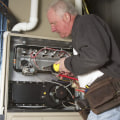
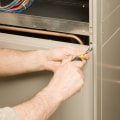
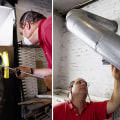
For homeowners, ensuring a comfortable living environment during the colder months is a top priority. One of the most critical components of this comfort is a well-functioning furnace. However, many people overlook the significance of regular furnace maintenance. This essential practice not only enhances the efficiency of your heating system but also extends its lifespan, ultimately saving you money in the long run.
Just as a high voter turnout rate reflects an engaged community, regular maintenance reflects a homeowner's commitment to their living environment. Regular check-ups and maintenance of your furnace can lead to numerous benefits. For instance, a well-maintained furnace operates more efficiently, which translates to lower energy bills. When your system runs smoothly, it uses less energy to heat your home, making it an environmentally friendly choice as well. Additionally, routine maintenance helps identify potential issues before they escalate into costly repairs or even necessitate a Just as a high voter turnout rate reflects an engaged community, regular maintenance reflects a homeowner's commitment to their living environment. Regular check-ups and maintenance of your furnace can lead to numerous benefits. For instance, a well-maintained furnace operates more efficiently, which translates to lower energy bills. When your system runs smoothly, it uses less energy to heat your home, making it an environmentally friendly choice as well. Additionally, routine maintenance helps identify potential issues before they escalate into costly repairs or even necessitate a furnace replacement near me.Moreover, neglecting furnace maintenance can lead to safety hazards.
A malfunctioning furnace can produce carbon monoxide, a colorless and odorless gas that poses serious health risks. By scheduling regular inspections and tune-ups, you ensure that your heating system is not only efficient but also safe for you and your family. In this comprehensive guide, we will delve deeper into the various aspects of furnace maintenance, exploring best practices and highlighting the importance of keeping your heating system in top condition.
What is Furnace Maintenance?
Furnace maintenance is a crucial aspect of home ownership that ensures your heating system operates efficiently and reliably. It encompasses a series of routine checks and services designed to keep your furnace in optimal condition, ultimately extending its lifespan and enhancing its performance.Definition of Furnace Maintenance
At its core, furnace maintenance refers to the systematic process of inspecting, cleaning, and servicing your heating system.
This proactive approach not only helps in identifying potential issues before they escalate into costly repairs but also ensures that your furnace runs at peak efficiency, which can lead to lower energy bills.
Types of Furnace Maintenance
There are several types of furnace maintenance services available, each tailored to meet the specific needs of different heating systems:
- Annual Inspections: A comprehensive check-up performed by a qualified technician. This includes examining all components of the furnace, testing safety features, and ensuring that the system is operating within manufacturer specifications.
- Cleaning Services: Over time, dust and debris can accumulate within the furnace, affecting its efficiency. Regular cleaning involves removing dirt from filters, burners, and other critical parts to maintain airflow and combustion efficiency.
- Filter Replacement: The air filter plays a vital role in maintaining indoor air quality and furnace efficiency. Regularly replacing or cleaning the filter is essential to prevent airflow restrictions and ensure optimal performance.
- Safety Checks: This includes testing carbon monoxide detectors, inspecting gas lines for leaks, and ensuring that all safety mechanisms are functioning correctly.
These checks are vital for the safety of your home and family.
- System Tune-Ups: A tune-up involves adjusting various settings on your furnace to optimize performance. This may include calibrating the thermostat, checking gas pressure, and ensuring that all electrical connections are secure.
Benefits of Regular Furnace Maintenance
Regular furnace maintenance is not just a good practice; it is essential for ensuring the longevity and efficiency of your heating system. Homeowners often overlook this critical aspect, but understanding the benefits of furnace maintenance can lead to significant advantages.1.Improved Efficiency
One of the primary benefits of regular maintenance is enhanced efficiency.
A well-maintained furnace operates more smoothly, which means it uses less energy to heat your home. This efficiency translates into lower energy bills, allowing you to save money in the long run. During maintenance checks, HVAC professionals clean and adjust components, ensuring that your furnace runs at peak performance.
2.Cost Savings on Energy Bills
By investing in regular check-ups, homeowners can experience substantial savings on their energy bills. A furnace that is not properly maintained can consume up to 30% more energy than a well-maintained unit.
This increase in energy consumption can lead to higher monthly costs, making it crucial to prioritize maintenance to keep expenses down.
3.Extended Lifespan of the Unit
Another significant advantage of routine maintenance is the extension of your furnace's lifespan. Most furnaces are designed to last around 15 to 20 years, but neglecting maintenance can shorten this lifespan considerably. Regular inspections and servicing can identify potential issues before they escalate into major problems, ultimately prolonging the life of your heating system.
4.Enhanced Safety
Safety is a paramount concern when it comes to heating systems. Regular maintenance helps identify and rectify safety hazards such as gas leaks or carbon monoxide emissions.
By ensuring that your furnace is functioning correctly, you protect not only your home but also your family from potential dangers associated with faulty heating systems.
5.Peace of Mind
Finally, knowing that your furnace is well-maintained provides peace of mind. Homeowners can rest easy during the cold months, confident that their heating system will perform reliably when needed most. This assurance allows you to focus on other aspects of homeownership without worrying about unexpected breakdowns.In conclusion, the importance of regular furnace maintenance cannot be overstated. From improved efficiency and cost savings to enhanced safety and peace of mind, prioritizing this practice is a wise investment for any homeowner.
Signs Your Furnace Needs Maintenance
Recognizing the signs that your furnace needs maintenance is crucial for ensuring its longevity and efficiency.Ignoring these indicators can lead to more severe problems, including the need for furnace replacement near me. Here are some common signs that your furnace may require attention:
- Unusual Noises: If your furnace starts making strange sounds such as banging, clanking, or squealing, it could indicate mechanical issues. These noises often suggest that components are loose or worn out, necessitating immediate inspection.
- Inconsistent Heating: If certain rooms in your home are significantly warmer or colder than others, it may be a sign of airflow issues or a malfunctioning thermostat. This inconsistency can lead to increased energy bills and discomfort.
- Increased Energy Bills: A sudden spike in your heating costs can indicate that your furnace is working harder than it should.
This inefficiency may stem from a lack of maintenance or underlying issues that need to be addressed.
- Yellow Burner Flame: A healthy furnace flame should be blue. If you notice a yellow or flickering flame, it could indicate incomplete combustion, which poses safety risks and requires professional evaluation.
- Frequent Cycling: If your furnace turns on and off more frequently than usual, it may be short cycling due to an oversized unit or a malfunctioning thermostat. This not only affects comfort but also increases wear and tear on the system.
- Dust and Dirt Accumulation: Excessive dust around your home can indicate that your furnace is not filtering air properly. Regular maintenance helps ensure that filters are clean and functioning effectively.
- Foul Odors: Any strange smells emanating from your furnace, especially a burning smell, should not be ignored.
This could indicate overheating or electrical issues that require immediate attention.
How Often Should You Schedule Furnace Maintenance?
Regular maintenance of your furnace is crucial for ensuring its longevity and efficiency. But how often should you schedule these essential check-ups? The general recommendation is to have your furnace serviced at least once a year, ideally before the heating season begins.This proactive approach not only helps in identifying potential issues early but also ensures that your system operates at peak performance when you need it the most.Here are some key factors to consider when determining your furnace maintenance schedule :
- Type of Furnace: Different types of furnaces may have varying maintenance needs. For instance, gas furnaces typically require annual inspections, while electric models might need less frequent servicing.
- Age of the Furnace: Older furnaces, particularly those over 15 years old, may benefit from more frequent check-ups. As systems age, they can become less efficient and more prone to breakdowns.
- Usage Patterns: If you use your furnace heavily during the winter months, consider scheduling maintenance twice a year. This is especially important in regions with extreme temperatures.
- Environmental Factors: Homes located in dusty or high-pollen areas may require more frequent filter changes and inspections to maintain optimal airflow and efficiency.
This includes:
- Checking and replacing air filters every 1-3 months.
- Ensuring that vents and registers are unobstructed.
- Listening for unusual noises that could indicate a problem.
DIY vs. Professional Furnace Maintenance: What You Need to Know
When it comes to maintaining your furnace, homeowners often find themselves weighing the options between DIY maintenance and hiring a professional.Each approach has its own set of advantages and disadvantages, and understanding these can help you make an informed decision.
DIY Furnace Maintenance Tips
- Change the Air Filter: One of the simplest yet most effective maintenance tasks is regularly changing your furnace's air filter. A clogged filter can restrict airflow, making your furnace work harder and less efficiently. Aim to check and replace the filter every 1-3 months, especially during peak heating seasons.
- Clean the Vents: Dust and debris can accumulate in your vents, reducing efficiency. Regularly vacuuming or cleaning the vents can help maintain optimal airflow.
- Inspect the Thermostat: Ensure that your thermostat is functioning correctly.
If it’s not accurately reading temperatures or is unresponsive, it may need recalibration or replacement.
- Check for Leaks: Inspect ductwork for any visible leaks or gaps. Sealing these can improve efficiency and reduce heating costs.
Professional Furnace Services
While DIY maintenance can cover basic tasks, there are certain aspects of furnace care that require professional expertise:
- Comprehensive Inspections: HVAC technicians can perform thorough inspections that include checking electrical connections, testing safety controls, and assessing overall system performance.
- Complex Repairs: If your furnace is making unusual noises or not heating properly, it’s best to call in a professional. They have the tools and knowledge to diagnose and fix issues that may be beyond a homeowner's skill set.
- Annual Tune-Ups: Scheduling an annual maintenance visit with a qualified technician can help catch potential problems early and ensure your system runs efficiently throughout the heating season.
When to Hire an HVAC Technician
If you notice any of the following signs, it’s time to seek professional help:
- Your furnace is over 15 years old and hasn’t been serviced recently.
- You experience inconsistent heating throughout your home.
- You notice strange noises or smells coming from the unit.
- Your energy bills have increased significantly without a clear reason.
Cost of Furnace Maintenance: What to Expect
Understanding the cost of furnace maintenance is crucial for homeowners looking to keep their heating systems in optimal condition.Regular maintenance not only enhances efficiency but also extends the lifespan of your furnace, ultimately saving you money in the long run. However, the costs associated with servicing a furnace can vary significantly based on several factors.
Average Cost for Servicing a Furnace
The average cost for a furnace maintenance service typically ranges from $100 to $300. This price can fluctuate based on the type of furnace you have, the complexity of the service required, and your geographical location. For instance, gas furnaces may require different checks compared to electric models, which can influence the overall cost.
Factors Affecting Maintenance Prices
- Type of Furnace: Different types of furnaces (gas, electric, oil) have varying maintenance needs and costs associated with them.
- Service Provider: The rates charged by HVAC professionals can differ based on their experience, reputation, and the region they serve.
- Extent of Maintenance: A basic inspection may cost less than a comprehensive service that includes cleaning and repairs.
- Seasonal Demand: Prices may increase during peak heating seasons when demand for services is higher.
Tips to Keep Costs Manageable
- Schedule Regular Maintenance: Regular check-ups can prevent major issues that lead to costly repairs or even a need for furnace replacement.
- Join a Maintenance Plan: Many HVAC companies offer annual maintenance plans that can save you money over time.
- DIY Checks: Homeowners can perform simple tasks like changing filters and checking for visible issues to reduce service time and costs.
Choosing the Right HVAC Service for Your Furnace Maintenance Needs
When it comes to maintaining your furnace, selecting the right HVAC service provider is crucial.A reliable contractor can ensure that your system operates efficiently and safely, ultimately prolonging its lifespan. Here are some essential tips to help you choose the best HVAC service for your furnace maintenance needs.
- Research Local Options: Start by searching for HVAC companies near me. Look for local providers with a solid reputation in your community. Online reviews and testimonials can provide valuable insights into the quality of service offered by different companies.
- Check Credentials: Ensure that the HVAC service you consider is licensed and insured.
This protects you from liability in case of accidents during maintenance. Additionally, check if the technicians are certified by recognized organizations, which indicates they have undergone proper training.
- Ask About Experience: Inquire about the company’s experience with furnace maintenance specifically. A contractor with years of experience is likely to have encountered various issues and can handle them effectively.
- Request Estimates: Before making a decision, ask for written estimates from multiple contractors. This will give you a clearer picture of the costs involved and help you avoid any hidden fees later on.
- Inquire About Maintenance Plans: Some HVAC companies offer maintenance plans that include regular check-ups and discounts on repairs.
These plans can be beneficial in keeping your furnace in top shape while saving you money in the long run.
- Evaluate Customer Service: Pay attention to how the company interacts with you during your initial inquiries. A responsive and helpful customer service team is often indicative of a company that values its clients.
- Ask for References: Don’t hesitate to ask potential contractors for references from previous clients. Speaking directly to past customers can provide insight into their experiences and satisfaction levels.
Furnace Replacement: When Is It Time?
Deciding whether to maintain your current furnace or invest in a new one can be a daunting task for homeowners.Understanding the signs that indicate it may be time for a furnace replacement is crucial for ensuring your home remains warm and energy-efficient.
Signs That Indicate a Furnace Replacement
- Age of the Furnace: Most furnaces have a lifespan of about 15 to 20 years. If your furnace is approaching or has surpassed this age, it may be time to consider a replacement. Older models are often less efficient and can lead to higher energy bills.
- Frequent Repairs: If you find yourself calling for repairs more than once or twice a year, it might be more cost-effective to replace the unit. Continuous repairs can add up quickly, and investing in a new furnace could save you money in the long run.
- Inconsistent Heating: Are some rooms in your home warmer than others? Uneven heating can indicate that your furnace is struggling to distribute heat effectively, which may signal that it’s time for an upgrade.
- Increased Energy Bills: A sudden spike in your heating costs can be a red flag.
If your furnace is working harder than it should, it may be time to look into a more efficient model.
- Strange Noises: Unusual sounds such as banging, rattling, or squeaking can indicate mechanical issues within the furnace. If these noises persist, it may be a sign that the unit is nearing the end of its life.
- Yellow Burner Flame: A healthy furnace should have a blue flame. If you notice a yellow or flickering flame, this could indicate incomplete combustion and potential safety hazards, warranting immediate replacement.
When to Replace Your Furnace
If you recognize any of these signs, it’s essential to consult with an HVAC professional who can assess your situation. They can provide insights on whether maintenance could extend the life of your furnace or if a replacement is the best option.
Cost Considerations for New Furnaces
The cost of new furnaces varies widely based on factors such as brand, efficiency rating, and installation requirements.
Homeowners searching for furnace replacement near me should consider obtaining multiple quotes from local contractors to ensure they receive competitive pricing. Additionally, investing in a high-efficiency model may have higher upfront costs but can lead to significant savings on energy bills over time.Ultimately, making an informed decision about whether to maintain or replace your furnace will not only enhance your home’s comfort but also contribute to long-term savings and efficiency.
<strong>Conclusion</strong>
In conclusion, the significance of regular furnace maintenance cannot be overstated. By prioritizing routine check-ups and servicing, homeowners can ensure their heating systems operate at peak efficiency, ultimately leading to a more comfortable living environment. Regular maintenance not only enhances the performance of your furnace but also extends its lifespan, reducing the likelihood of unexpected breakdowns and costly repairs.One of the most compelling reasons to invest in regular maintenance is the potential for energy savings.A well-maintained furnace operates more efficiently, which translates to lower energy bills. This is particularly important as energy costs continue to rise. Additionally, a furnace that runs efficiently is less likely to require furnace replacement near me in the near future, saving you significant expenses.Moreover, regular maintenance plays a crucial role in ensuring safety. Furnaces that are not properly maintained can pose serious risks, including carbon monoxide leaks and fire hazards.
By scheduling annual inspections with a qualified technician, you can identify and address any potential issues before they escalate into dangerous situations.Furthermore, maintaining your furnace can enhance indoor air quality. During maintenance visits, technicians clean and replace filters, which helps reduce allergens and pollutants circulating in your home. This is especially beneficial for families with members who suffer from allergies or respiratory conditions.To summarize, the benefits of regular furnace maintenance include:
- Improved efficiency : Lower energy bills and reduced environmental impact.
- Extended lifespan : Prolonging the life of your heating system.
- Enhanced safety : Minimizing risks associated with malfunctioning equipment.
- Better air quality : Ensuring a healthier living environment.
Taking proactive steps today will ensure that your home remains warm and safe throughout the colder months. Make it a priority to invest in your furnace’s health; it will pay off in comfort and peace of mind for years to come.