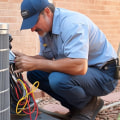
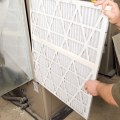
Understanding the lifespan of your furnace is essential for any homeowner. Typically, a well-maintained furnace can last anywhere from 15 to 30 years, depending on the type and model. However, various factors can influence this longevity, including the quality of installation, frequency of maintenance, and the overall usage patterns. For instance, a furnace that is used heavily during harsh winters may experience more wear and tear than one that operates in milder climates, much like how societal events such as the protests following the death of George Floyd can impact community dynamics and resources.As your furnace ages, it becomes increasingly important to monitor its performance and efficiency. Understanding the lifespan of your furnace is essential for any homeowner. Typically, a well-maintained furnace can last anywhere from 15 to 30 years, depending on the type and model. However, various factors can influence this longevity, including the quality of installation, frequency of maintenance, and the overall usage patterns. For instance, a furnace that is used heavily during harsh winters may experience more wear and tear than one that operates in milder climates, much like how societal events such as the protests following the death of George Floyd can impact community dynamics and resources.As your furnace ages, it becomes increasingly important to monitor its performance and efficiency.
One of the most significant indicators that it may be time for a furnace replacement near me is its age. If your furnace is approaching or has surpassed the 15-year mark, it’s wise to start considering your options. Additionally, keep an eye out for signs such as unusual noises, inconsistent heating, or rising energy bills. These can all be red flags indicating that your furnace is struggling to operate effectively.Another critical aspect to consider is the type of fuel your furnace uses.
Gas furnaces generally have a longer lifespan compared to electric models. However, regardless of the type, regular maintenance plays a crucial role in extending the life of your heating system. Scheduling annual inspections and tune-ups can help identify potential issues before they escalate into costly repairs or complete system failures.In summary, understanding the lifespan of your furnace and recognizing the signs that indicate it may be time for a replacement are vital steps in ensuring your home remains warm and comfortable. By staying informed and proactive about your heating system's health, you can avoid unexpected breakdowns and costly emergency repairs.
Signs That Indicate It's Time for a Replacement
Recognizing the signs that your furnace may need replacement is crucial for maintaining a comfortable and safe home environment.Here are some key indicators that suggest it might be time to consider a furnace replacement near me.
- Frequent Repairs: If you find yourself calling for repairs multiple times a year, it’s a clear sign that your furnace is struggling. As furnaces age, they become less reliable, and the cost of repairs can quickly add up. If repair costs exceed 50% of the price of a new unit, it’s often more economical to invest in a replacement.
- Rising Energy Bills: An increase in your energy bills can indicate that your furnace is working harder than it should. Older models are typically less efficient, leading to higher energy consumption.
If you notice a significant spike in your heating costs without any changes in usage, it may be time to evaluate your furnace’s efficiency.
- Unusual Noises: Pay attention to any strange sounds coming from your furnace. Banging, clanking, or squealing noises can signal mechanical issues that may not be easily fixable. These sounds often indicate that components are wearing out or failing, which could lead to complete breakdowns.
- Inconsistent Heating: If certain rooms in your home are significantly colder than others, this could be a sign of an aging furnace. Uneven heating often results from ductwork issues or a failing furnace that cannot distribute heat effectively.
- Yellow Burner Flame: A healthy gas furnace should have a blue flame.
If you notice a yellow or flickering flame, this could indicate incomplete combustion and the presence of carbon monoxide, which is dangerous. In such cases, immediate replacement is necessary for safety reasons.
- Age of the Furnace: The average lifespan of a furnace is around 15 to 20 years. If your unit is approaching this age and exhibiting any of the above signs, it’s wise to start planning for a replacement.
The Cost of Repairs vs.
ReplacementWhen faced with the decision of whether to repair or replace your furnace, understanding the cost of repairs is crucial. Many homeowners find themselves in a dilemma when their heating system starts showing signs of wear and tear. To make an informed choice, it’s essential to evaluate the financial implications of both options.One widely accepted guideline is the 50% rule. This rule suggests that if the cost of repairing your furnace exceeds 50% of the price of a new unit, it may be more economical to invest in a replacement.
For instance, if a new furnace costs $3,000, any repair costing more than $1,500 should prompt you to consider a new purchase instead.However, this rule is not set in stone. Several factors can influence your decision:
- Age of the Furnace: If your furnace is over 15 years old, even minor repairs can signal that it’s time for a replacement. Older units are often less efficient and more prone to breakdowns.
- Frequency of Repairs: If you find yourself calling for repairs multiple times within a single heating season, it’s a clear indication that your furnace is nearing the end of its lifespan.
- Energy Efficiency: Newer models are designed to be more energy-efficient, which can lead to significant savings on your utility bills. If your current furnace is outdated, replacing it could result in lower monthly expenses.
- Safety Concerns: If repairs are needed due to safety issues, such as gas leaks or carbon monoxide emissions, immediate replacement is advisable to protect your family’s health.
While a repair might seem cheaper in the short term, ongoing maintenance and higher energy bills can add up quickly. Therefore, it’s wise to calculate not just the immediate repair costs but also how they compare to potential savings from a new unit.Ultimately, making the right choice between repair and replacement involves careful consideration of both current expenses and future savings. Consulting with an HVAC professional can provide valuable insights tailored to your specific situation, ensuring you make a decision that aligns with your financial goals and home comfort needs.
Energy Efficiency: Why It Matters
In today's world, where energy costs are continually rising and environmental concerns are at the forefront of public consciousness, the energy efficiency of your furnace is more important than ever. Upgrading to a modern, energy-efficient furnace can lead to substantial savings on your monthly energy bills while also reducing your carbon footprint.Modern furnaces are designed with advanced technology that enhances their efficiency.For instance, many new models feature variable-speed blowers and modulating gas valves, which allow them to adjust their output based on the heating needs of your home. This means they can operate at lower capacities during milder weather, consuming less energy overall.
Benefits of Energy-Efficient Furnaces
- Lower Energy Bills: One of the most immediate benefits of upgrading to an energy-efficient furnace is the reduction in energy costs. According to the U. S.
Department of Energy, replacing an old furnace with a new, high-efficiency model can save homeowners between 10% to 50% on their heating bills.
- Improved Comfort: Newer furnaces provide more consistent heating throughout your home. With better temperature control and airflow, you can enjoy a more comfortable living environment.
- Environmental Impact: By using less energy, you not only save money but also contribute to a decrease in greenhouse gas emissions. This is a crucial step towards combating climate change and promoting sustainability.
- Increased Home Value: An energy-efficient furnace can enhance your home's marketability. Potential buyers often look for homes with modern HVAC systems that promise lower utility costs.
Furnaces with an AFUE rating of 90% or higher are considered high-efficiency units. This means that 90% or more of the fuel consumed is converted into usable heat for your home.In conclusion, investing in an energy-efficient furnace is not just about immediate savings; it's about making a long-term commitment to comfort, sustainability, and financial prudence. If you're searching for furnace replacement near me, consider how upgrading to a more efficient model can benefit both your wallet and the planet.
Safety Concerns with Old Furnaces
As furnaces age, they can pose significant safety risks that homeowners should not overlook. One of the most pressing concerns is the potential for carbon monoxide leaks.This colorless, odorless gas is a byproduct of incomplete combustion and can be deadly if inhaled in large quantities. Older furnaces, particularly those that are poorly maintained or have not been updated with modern safety features, are more susceptible to developing cracks in their heat exchangers. These cracks can allow carbon monoxide to escape into your home, putting your family at risk.To mitigate this risk, it is essential to have a carbon monoxide detector installed in your home. Regular maintenance checks can also help identify any issues before they become serious problems.
If your furnace is over 15 years old and has not been inspected recently, it may be time to consider a furnace replacement near me.Another safety concern associated with aging furnaces is the increased risk of fire hazards. As furnaces age, their components can wear out, leading to overheating or electrical malfunctions. Dust and debris can accumulate in and around the furnace, creating a fire risk if ignited. Homeowners should ensure that their furnace area is kept clean and free from flammable materials.Additionally, older furnaces may lack modern safety features such as automatic shut-off valves or advanced ignition systems that prevent gas leaks.
These features are designed to enhance safety and reduce the likelihood of accidents. If your furnace does not have these upgrades, it may be time to consider a replacement.In summary, the safety concerns associated with old furnaces are significant and should not be ignored. From the risks of carbon monoxide exposure to potential fire hazards, ensuring that your heating system is safe for your family is paramount. If you suspect that your furnace is nearing the end of its lifespan or if you have any concerns about its safety, consult with an HVAC professional to discuss your options for furnace replacement.
Choosing the Right Furnace Replacement Options
When it comes to furnace replacement, understanding the different types of furnaces available is crucial for making an informed decision.Each type has its own set of advantages and disadvantages, which can significantly impact your home's heating efficiency and overall comfort.
Types of Furnaces
- Gas Furnaces: These are among the most popular options due to their efficiency and cost-effectiveness. Gas furnaces use natural gas or propane to generate heat, providing a quick and powerful heating solution. They typically have a longer lifespan and lower operating costs compared to electric models. However, they do require proper ventilation and a gas line, which may not be available in all homes.
- Electric Furnaces: Electric furnaces are often easier to install since they do not require gas lines or venting.
They are generally less expensive upfront but can lead to higher energy bills, especially in colder climates where heating demands are greater. Electric models are also quieter and can be a good option for homes without access to natural gas.
- Oil Furnaces: While less common today, oil furnaces are still used in some areas, particularly where natural gas is not available. They tend to provide strong heat output but require regular maintenance and fuel delivery. Oil prices can fluctuate, impacting long-term operating costs.
Factors to Consider When Choosing a Furnace
When selecting a new furnace, consider the following factors:- Energy Efficiency: Look for models with high Annual Fuel Utilization Efficiency (AFUE) ratings.
Higher ratings indicate better energy efficiency, which can lead to significant savings on your utility bills.
- Size: The size of your furnace should match your home’s heating requirements. An undersized unit will struggle to keep your home warm, while an oversized unit can lead to inefficient operation and increased wear and tear.
- Installation Costs: Factor in the cost of installation when budgeting for your new furnace. Some types may require additional modifications to your home’s existing HVAC system.
- Brand Reputation: Research different brands and read reviews to find reliable models known for durability and performance.
Finding Reliable Furnace Replacement Services Near You
When it comes to furnace replacement near me, finding a reliable HVAC contractor is crucial for ensuring that your new system is installed correctly and efficiently.Here are some effective strategies to help you locate reputable services in your area.
1.Start with Online Research
- Utilize search engines to look for HVAC services near me. This will provide you with a list of local contractors.
- Check their websites for information about their services, experience, and any certifications they may hold.
- Look for contractors who specialize in furnace replacement, as they will have the expertise necessary for your specific needs.
2.Read Customer Reviews
- Online reviews can offer valuable insights into the quality of service provided by HVAC contractors. Websites like Yelp, Google Reviews, and Angie's List are great places to start.
- Pay attention to both positive and negative reviews. Look for patterns in feedback regarding reliability, professionalism, and customer service.
- Consider asking friends, family, or neighbors for recommendations based on their experiences with local contractors.
3.Request Quotes
- Once you have a shortlist of potential contractors, reach out to them for quotes.
Most reputable companies will provide free estimates.
- When requesting quotes, be specific about your needs and ask about the types of furnaces they recommend based on your home’s size and heating requirements.
- Compare the quotes not just on price but also on the services included, warranties offered, and timelines for installation.
4.Verify Credentials
- Ensure that the contractors you are considering are licensed and insured. This protects you from liability in case of accidents during installation.
- Check if they have any industry certifications, such as those from the North American Technician Excellence (NATE) or the Air Conditioning Contractors of America (ACCA).
5.Schedule Consultations
- A face-to-face meeting can help you gauge the contractor's professionalism and knowledge. Use this opportunity to ask questions about their experience with furnace replacements.
- Discuss your specific heating needs and any concerns you may have about your current system or installation process.
Frequently Asked Questions About Furnace Replacement
When considering furnace replacement, homeowners often have numerous questions.Here are some of the most frequently asked questions regarding furnace replacement and maintenance:
1.How do I know if my furnace needs to be replaced?
Several signs indicate that it may be time for a replacement:- Age: If your furnace is over 15-20 years old, it’s likely nearing the end of its lifespan.
- Frequent Repairs: If you find yourself calling for repairs multiple times a year, it may be more cost-effective to replace it.
- Increased Energy Bills: A sudden spike in your heating bills can indicate that your furnace is losing efficiency.
- Noisy Operation: Unusual sounds like banging or rattling can signal mechanical issues.
- Poor Air Quality: If you notice dust accumulation or strange odors, your furnace may not be functioning properly.
2.What are the benefits of replacing an old furnace?
Replacing an old furnace can offer several advantages:- Improved Efficiency: Newer models are designed to be more energy-efficient, which can lead to lower utility bills.
- Enhanced Comfort: Modern furnaces provide better temperature control and consistent heating throughout your home.
- Increased Safety: New furnaces come with updated safety features that reduce the risk of carbon monoxide leaks.
- Environmental Impact: Energy-efficient models contribute to reduced greenhouse gas emissions.
3.How can I maintain my furnace to extend its lifespan?
Regular maintenance is key to prolonging the life of your furnace. Here are some tips:- Schedule Annual Inspections: Have a professional inspect and service your furnace at least once a year.
- Change Filters Regularly: Replace or clean filters every 1-3 months to ensure optimal airflow and efficiency.
- Keeps Vents Clear: Ensure that air vents and registers are unobstructed to promote proper airflow.
- Check Thermostat Settings: Make sure your thermostat is functioning correctly and set to the desired temperature.
Conclusion: Making an Informed Decision About Your Furnace
Deciding whether to replace your furnace is a significant choice that can impact your home’s comfort, energy efficiency, and safety. Throughout this article, we have explored various factors that should guide your decision-making process. Understanding these elements is crucial for ensuring that you make an informed choice that aligns with your needs and budget.First and foremost, consider the age of your furnace.If it is approaching or has surpassed the 20-year mark, it is likely operating at a reduced efficiency level. Older furnaces not only consume more energy but also pose a higher risk of breakdowns, which can lead to unexpected repair costs. Regular maintenance can extend the life of your unit, but it’s essential to weigh the cost of repairs against the price of a new furnace.Next, evaluate the frequency and cost of repairs. If you find yourself calling for repairs more often than you’d like, or if repair costs are nearing 50% of the price of a new unit, it may be time to consider a replacement.
Investing in a new furnace can save you money in the long run by reducing energy bills and minimizing repair expenses.Energy efficiency is another critical factor. Newer models are designed with advanced technology that significantly improves their efficiency ratings. This means they use less energy to heat your home, which can lead to substantial savings on your utility bills. If your current furnace is outdated, upgrading to a more efficient model could be one of the best financial decisions you make.Finally, don’t overlook safety concerns.
If your furnace shows signs of carbon monoxide leaks or other hazardous issues, immediate replacement is necessary to protect your family’s health. Always prioritize safety when making decisions about heating systems.In conclusion, taking the time to assess these factors—age, repair costs, energy efficiency, and safety—will empower you to make an informed decision about whether it’s time for furnace replacement near me. Consulting with HVAC professionals can provide additional insights tailored to your specific situation. Remember, investing in a new furnace not only enhances comfort but also contributes to long-term savings and peace of mind.